


Keeping Locker Rooms Warm Without the Headache
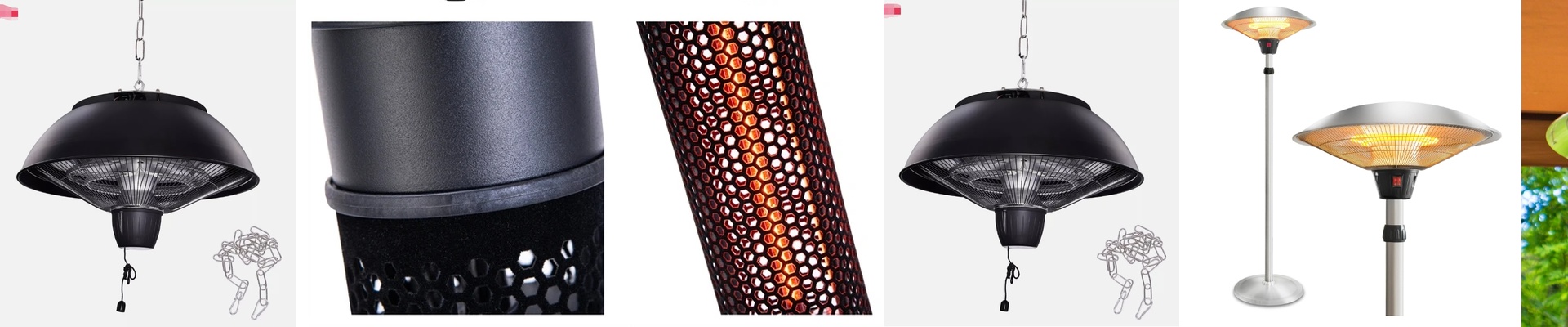
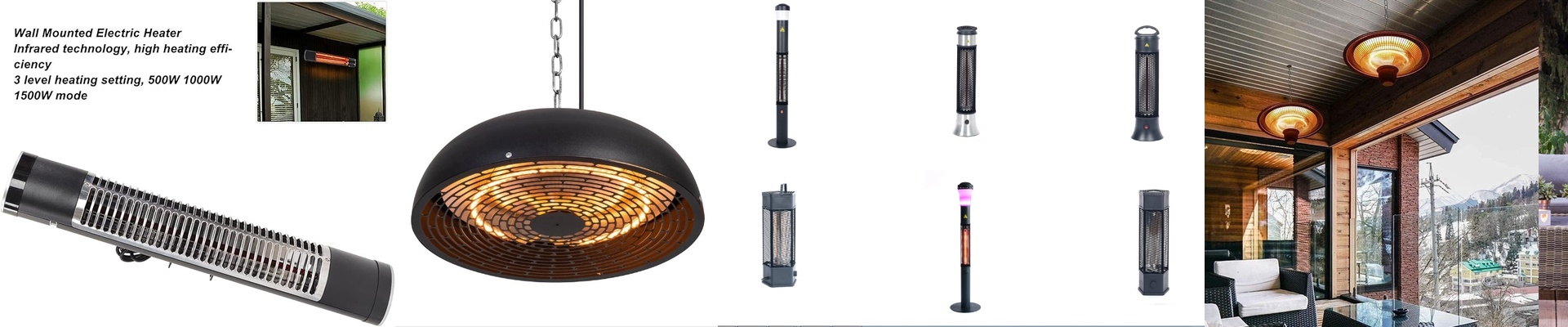
Nobody likes stepping into a freezing locker room after a workout. To fix that, you need heat that hits you instantly. That’s why we use high-density shortwave infrared. Instead of trying to warm up all the air in the room—which takes forever—these elements dump heat directly onto people and surfaces. You flip a switch, and you feel it. Simple as that. Dealing with the damp Here is the thing: moisture ruins electronics. In a wet zone or a humid changing area, a basic heating element is just asking to short out or rust at the terminals. We build these to IP65 standards. In plain English? They’re sealed tight. Dust stays out and water jets won’t kill them. You can get these installed in the steamiest environments and actually sleep at night knowing the terminals aren’t going to corrode. The secret sauce To get that “luxury hotel” kind of warmth, we go with quartz-halogen tech. We take a tungsten filament, wrap it in a high-purity quartz tube, and fill it with halogen gas. This lets us push the filament to much higher temperatures without it just snapping. You end up with a concentrated beam of heat. We also keep the wattage high relative to the length of the tube. It creates a massive heat flux. Just a heads-up, though: when you’re dealing with that much intensity, you need a top-tier reflector—think high-grade aluminum or gold plating—otherwise, your housing might start to warp. Installing them (and one thing to watch for) We designed these as drop-in replacements. They fit standard mounts, so you aren’t stuck staring at a broken heater for days while waiting for a custom part. But there is a catch with IP65 sealing. Because the seals are airtight, they trap more heat around the connectors than a wide-open design would. Make sure your fixture’s ventilation is actually doing its job. If the housing can’t breathe, the contact points will overheat, and your element won’t last nearly as long. Give it some air, and it’ll treat you right.