


Introduction
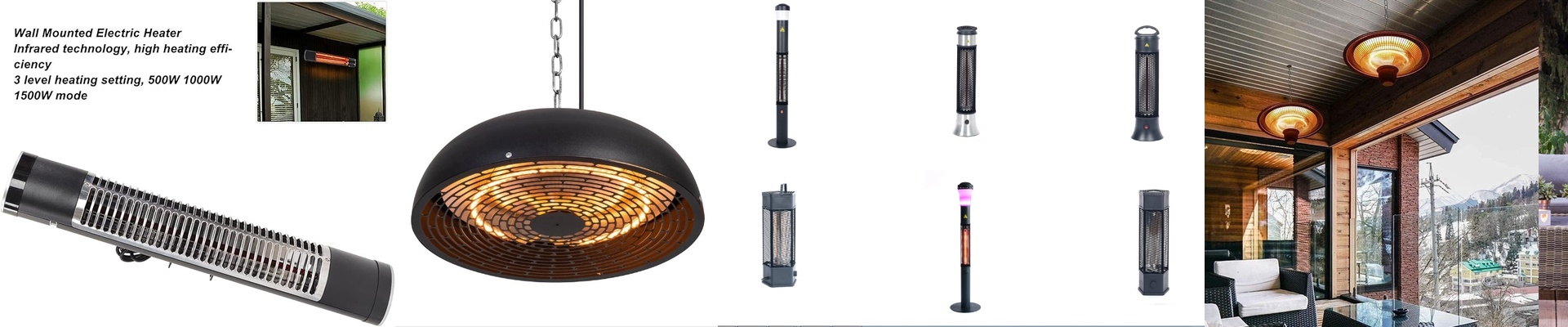
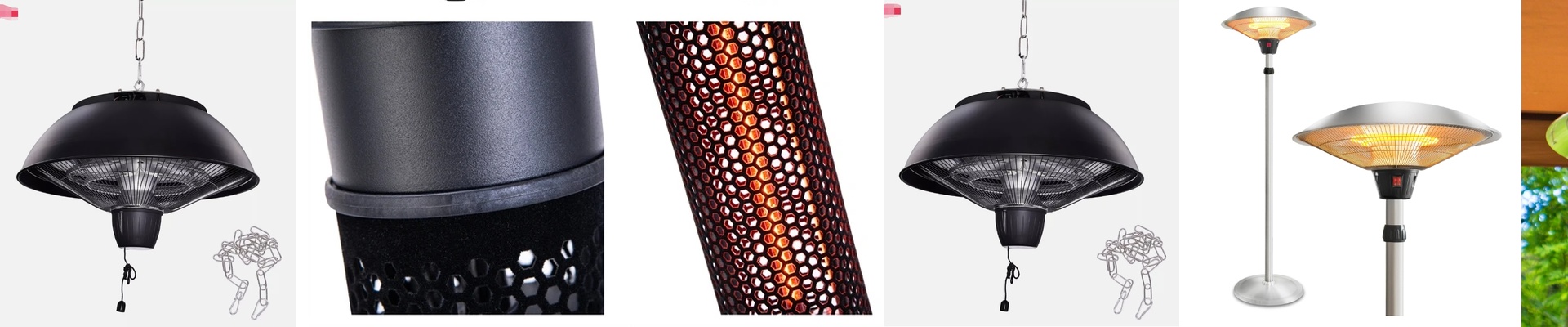
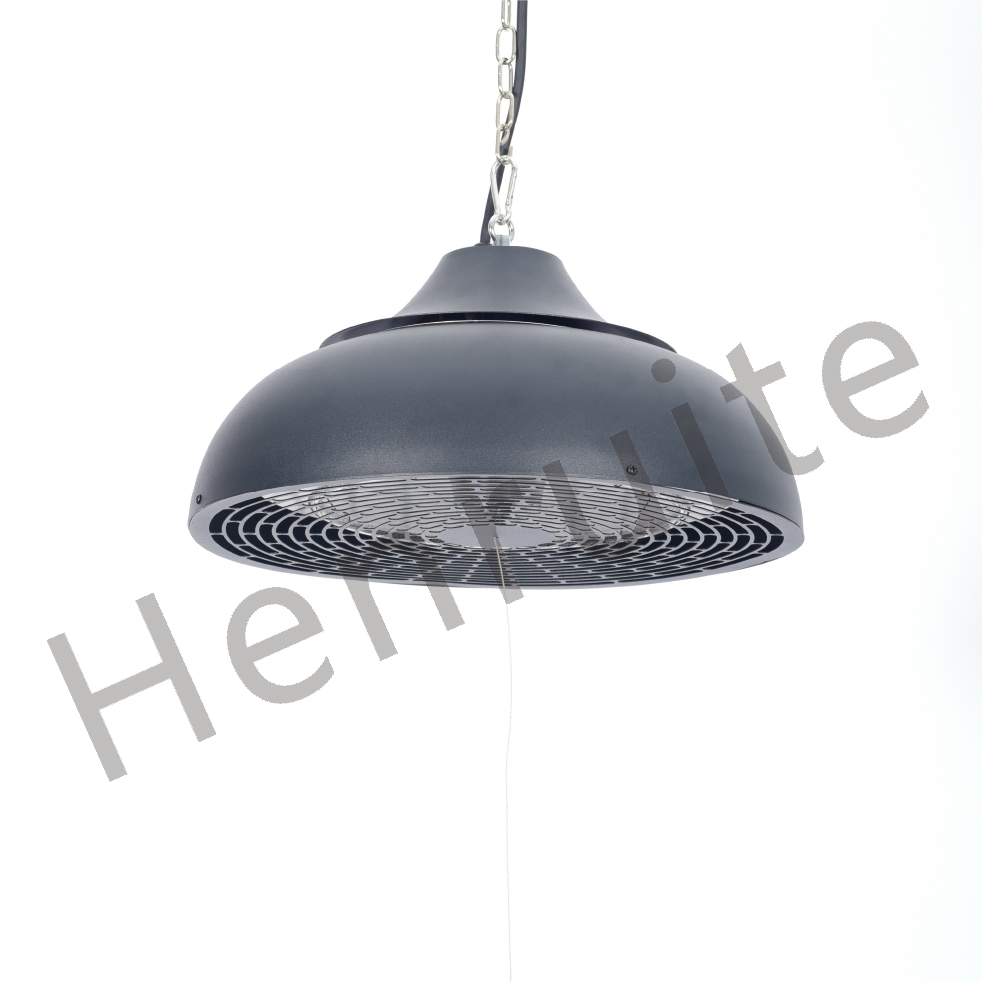
Let’s talk about what actually makes an outdoor evening bearable. We built this halogen patio heater to be a straight-up workhorse. It’s all about direct-radiant infrared—meaning it doesn’t waste time heating the air. Instead, it shoots intense, focused warmth right where you need it. You want a heater that packs the right power and slips right into your existing fixture spot. No fuss, just heat.
The Nitty-Gritty
Here’s the thing about how it runs. It plugs into a 230V or 240V outlet and pulls anywhere from 1.5 kW to 2.5 kW. That voltage range keeps the electrical current in check, so the wiring stays simple for an outdoor setup. The heart of it is the quartz tube, usually between 300mm and 500mm long. A shorter tube means a tighter, more intense circle of heat. Go longer, and you get a broader spread. You just pick the length that matches the spot you’re aiming at and how high you’re mounting it.
What It’s Made Of
The tube itself is pure quartz. It’s tough, handles the quick heat-up and cool-down cycles, and just plain gets the infrared energy through cleanly. Inside, halogen gas keeps the filament steady when things get scorching. That means the brightness stays consistent over time—no dimming as the nights wear on. The tube also has a coating to cut down on glare and focus that warmth where you want it. And the R7s connector? It’s a simple, double-ended design that does three jobs at once. It carries the power, keeps the tube perfectly lined up in the reflector, and makes swapping out a tube a total no-brainer. Pop the old one out, drop the new one in. Done.
Where It Shines
This heater was born for patios, decks, and covered walkways. The infrared beam throws heat exactly where you point it, so you get that cozy pocket of warmth even when the wind is trying its best to ruin the vibe. But, let’s be real—that high wattage means you need to plan ahead. Give it proper clearance and make sure the housing has room to breathe. Figure out your mounting height and how wide you want the heat to spread before you even think about wiring it up. Otherwise, you’re just asking for the nearby materials to take a beating.