
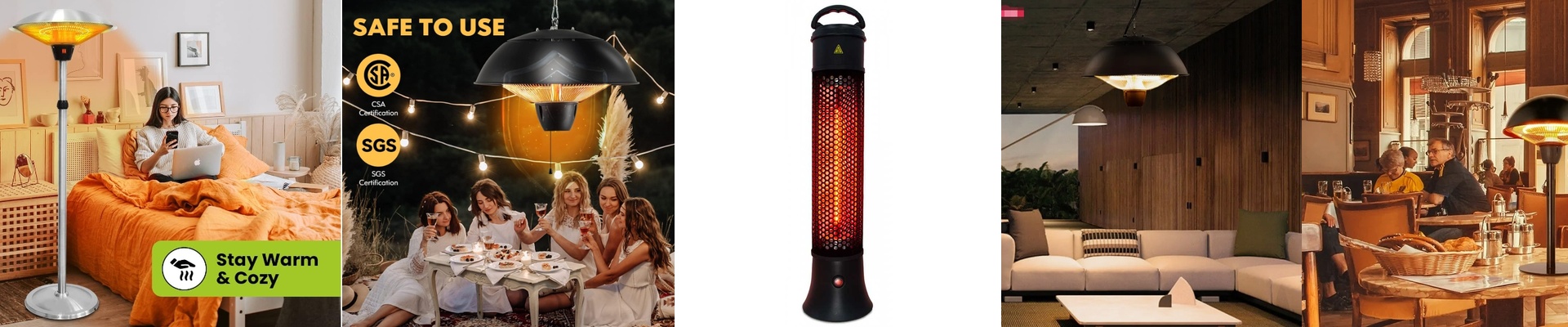
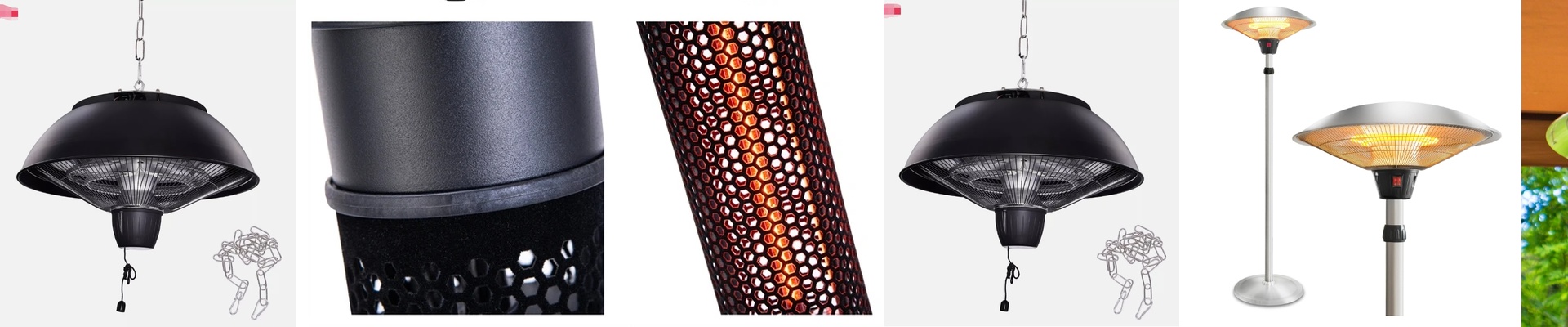
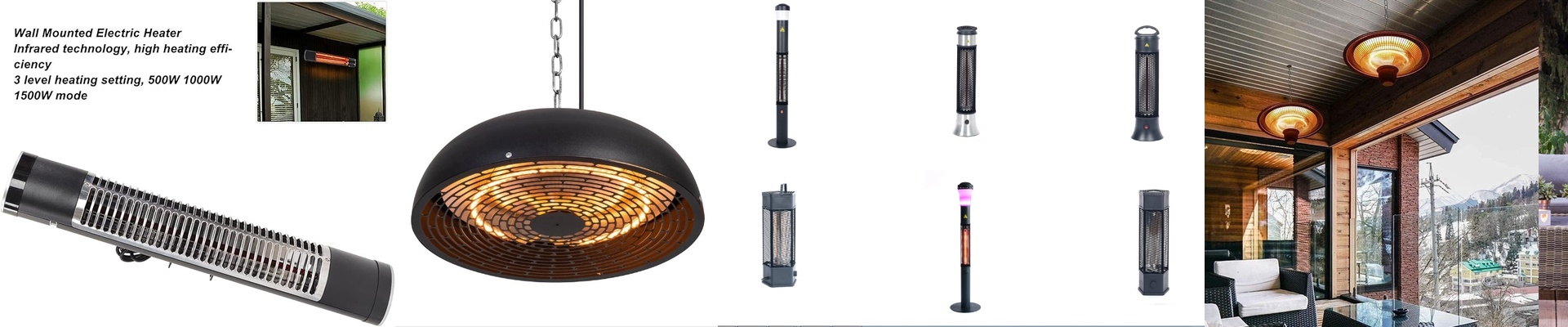

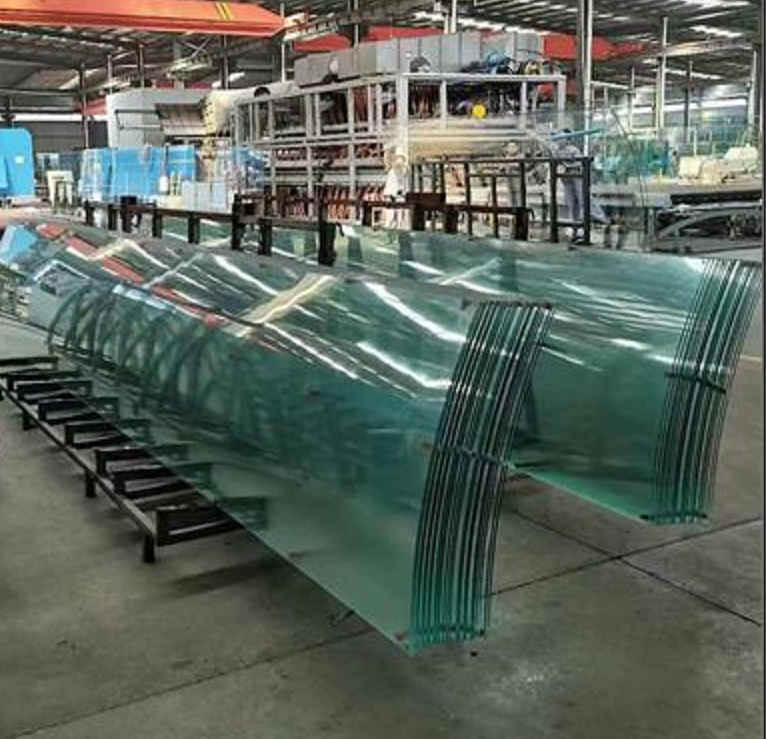
Out on the line, glass doesn’t wait for anyone. A tempering furnace that hesitates, a lamination press that drags, or a coating cure that runs uneven — that’s how good sheets turn into scrap and a schedule turns into overtime. We built the short wave quartz infrared lamp to keep heat moving exactly where it needs to go, right when it needs to go, without wasted energy or process drift. What matters, technically Short wave infrared hits hard and fast. It couples directly with glass and metallic coatings, so surface temperature climbs quickly while convection losses stay low. The quartz envelope handles thermal shock and holds stable emissivity, so output doesn’t fall off after repeated thermal cycles. The peak response is tuned for rapid heating, and the lamp geometry keeps a tight, repeatable thermal profile across the target width. Specs are straightforward: standard voltages, defined watt densities, and terminations built to survive industrial handling. The payoff is predictable heat input, fast response when the setpoint changes, and performance that stays consistent shift after shift. Why it works in real glass work In tempering, the lamp gets the glass to setpoint fast and even, which cuts thermal stress fractures and helps keep bow and warp under control. In EVA/SGP/PVB lamination, it shortens press cycle time by speeding adhesive flow and degassing — without creating hot spots. For coatings and insulating glass sealing, you get uniform drying that preserves film integrity and edge seal quality. Energy use drops because the energy goes into the work, not into heating air. Throughput climbs because heat-up is quick, and recovery after door openings is immediate. Here’s what to keep in mind These lamps run hot, and output depends on reflector alignment and clean optics. Plan for proper shielding, solid mounting, and a routine check on connections and reflectors. Make sure it plays with your existing fixture and control strategy; some older systems may need minor wiring changes or a bit of control tuning to match the lamp’s response. Treat the lamp as part of the system, not a commodity, and the process will show the payoff.