
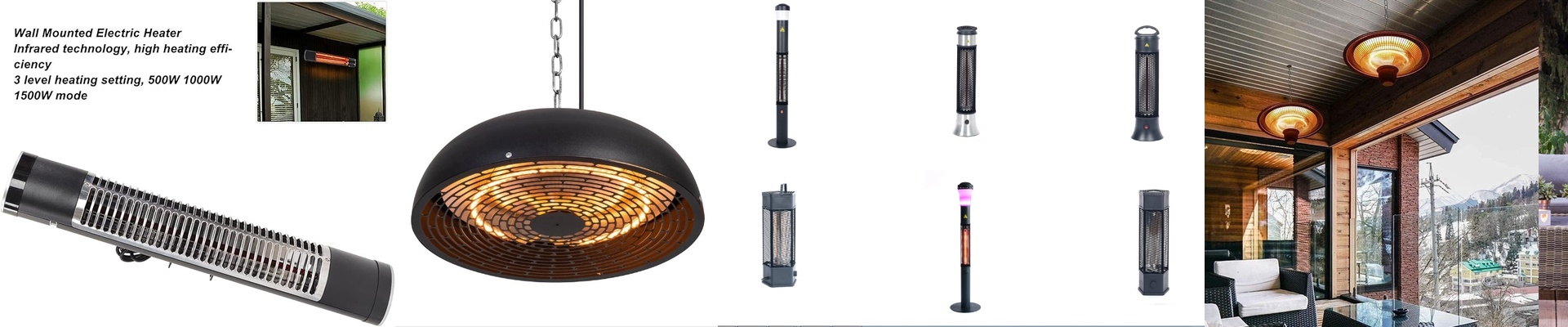
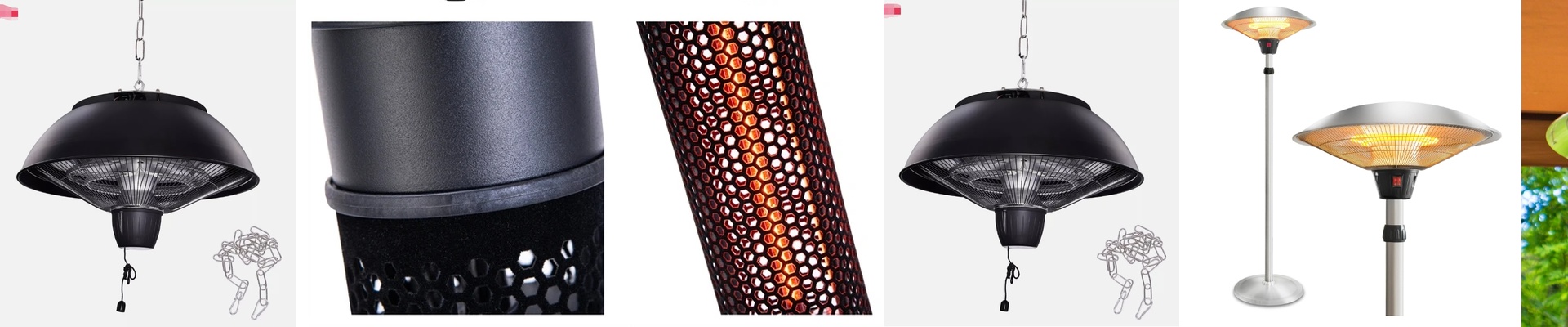

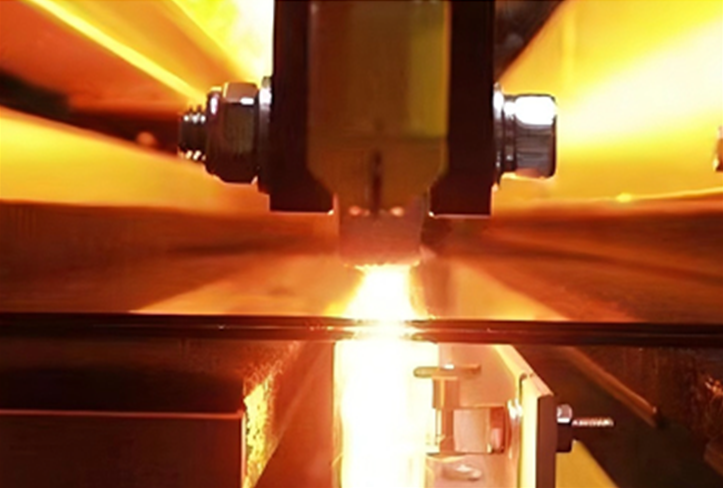
Out on the glass line, the cutting station is where you either make yield or bleed it. A sluggish heat-up drags cycle time. An uneven thermal field? That’s how you get stress concentrations that show up later as micro-cracks after tempering or bending. We built our infrared heater for glass cutting to fix exactly that—fast, repeatable heat right where the score line needs it, without cooking the surrounding surface. It runs on short-wave infrared quartz emitters tuned for high emissivity response on glass, so it responds quickly and holds tight control. Typical operating power is 1.2–3.0 kW, with 230 V or 400 V configurations, and the footprint is compact enough for standard cutting tables and CNC routing cells. The heater profile is engineered to lay down a uniform thermal band along the cut path, minimizing thermal gradients that can kick off unwanted stress during stress relief and downstream thermal processing. Here’s what that looks like on the floor: separation is faster, edges are cleaner, micro-chipping drops, and you stop feeding rejects back through the furnace just to burn energy. On insulating glass sealing lines, the same fast response gives you consistent edge heating before spacer insertion—better adhesion, fewer callbacks for seal failure. Energy use falls because the heater delivers on demand. No preheating a big block. No idling losses. Installation is straightforward, but alignment is not optional. The emitter array has to be parallel to the glass surface to keep uniformity; even a small angle will create hot spots and uneven scoring. Expect a short setup window, then run the heater at the setpoint that matches your glass thickness and coating stack. With low-emissivity coated glass, you’ll likely need to bump power density a bit or slow the traverse rate to hold the thermal profile you need.