
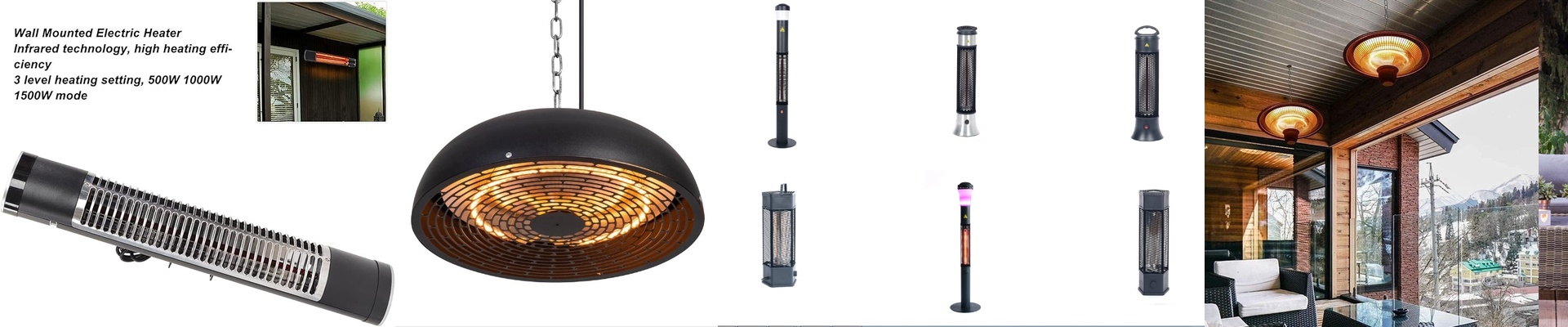


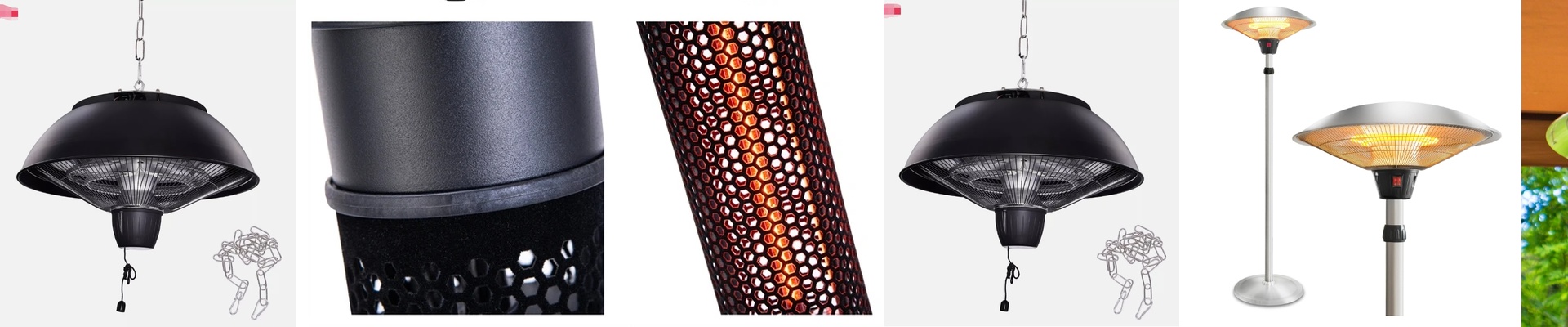
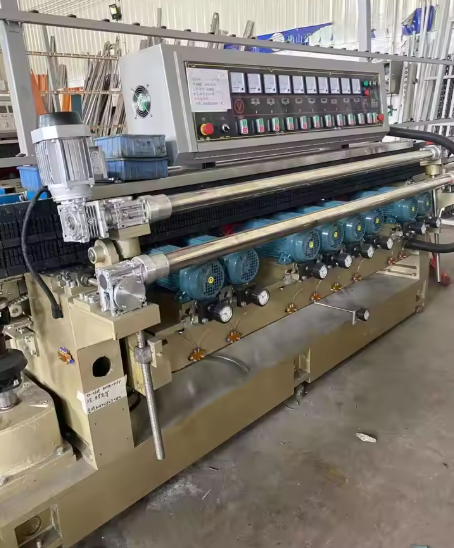
Out on the line, that digitally printed sheet is moving at a good clip. If the ink dries unevenly, you’re staring down pinholes, adhesion problems, and a pile of rework. Under-drying leaves solvent behind, and that shows up later as bubbles in lamination or coating delamination. Over-drying, on the other hand, can push the glass into thermal stress — especially on coated or low-emissivity substrates. The answer isn’t just cranking the heat. It’s putting the right heat exactly where it needs to be. What matters, technically Digital inks want fast, surface-focused energy. We run near-infrared (NIR) emitters tuned to the ink’s absorption band, not broad-spectrum heat. Peak output is set to cure fast without cooking the body of the glass. The module lays down a uniform thermal field with tight edge control, so the printed area cures even while the unprinted perimeter stays cool. That keeps thermal gradients in check and lowers the risk of bending or thermal stress. Energy use drops compared to convection ovens because the energy goes into the ink, not the air. Why this works in glass processing In our world, time and stability make the yield. NIR drying shrinks the drying window, so the line keeps moving. The printed surface goes tack-free faster, ready for the next step. The controlled heat profile is easier on sensitive substrates, including coated, laminated, and insulating glass units in process. You see fewer rejects from poor adhesion, fewer callbacks from field failures, and a throughput that doesn’t wait around for oven warm-up and cool-down. What you need to know on the install Installation is straightforward, but alignment is the detail that bites you. The emitter array has to be parallel to the glass, and the gap set to the specified distance to hit the target temperature band. Expect a short learning curve for operators to dial in speed and intensity for different ink formulations and glass thicknesses. With very dark, high-absorption prints, you may need reflective backing or a small power adjustment to avoid localized overheating. Plan the interface and mounting to match your conveyor and guarding.