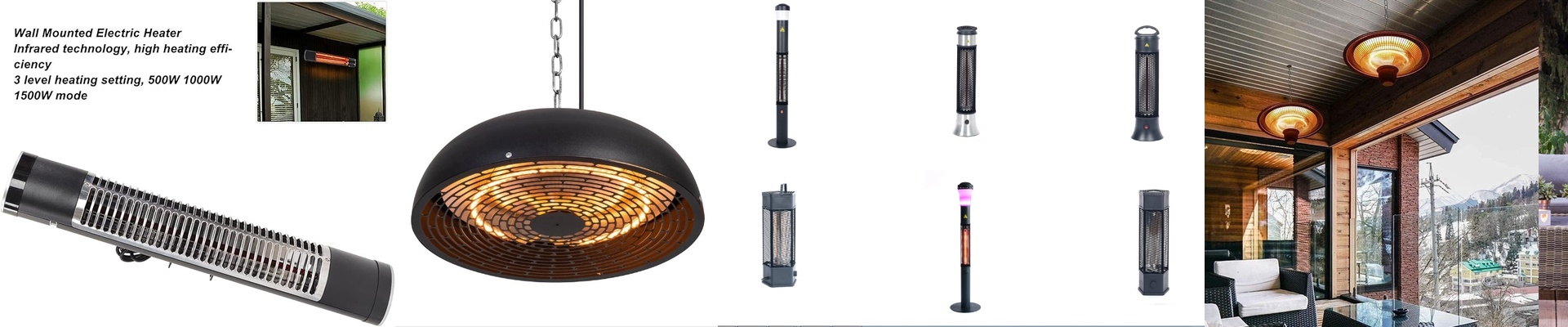
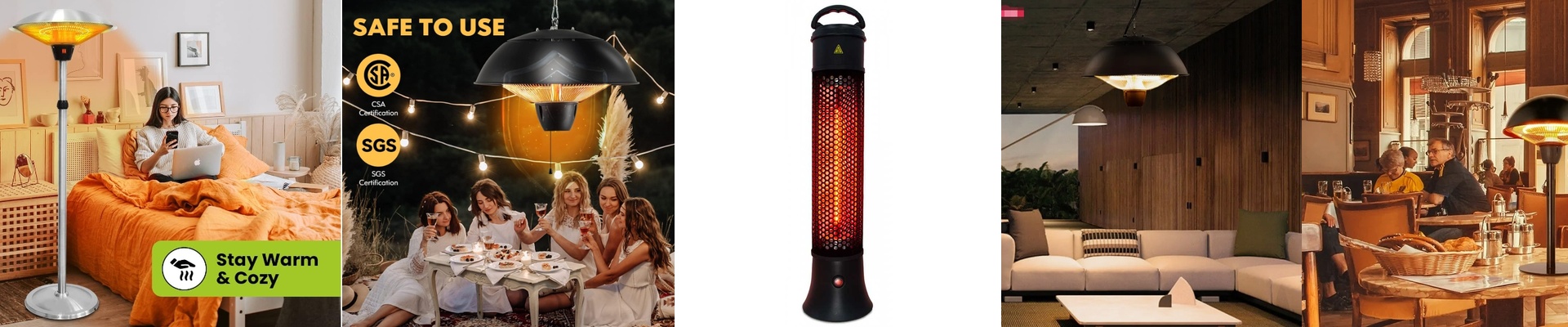

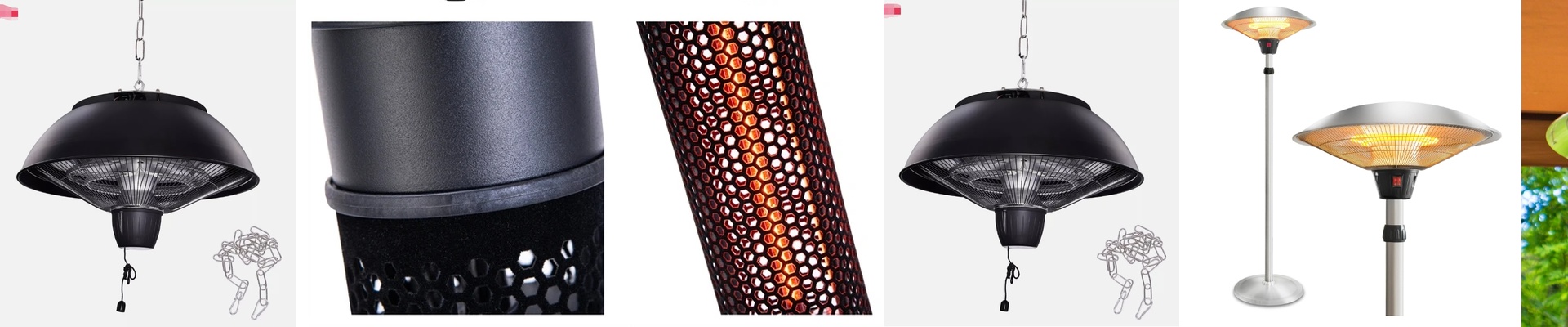

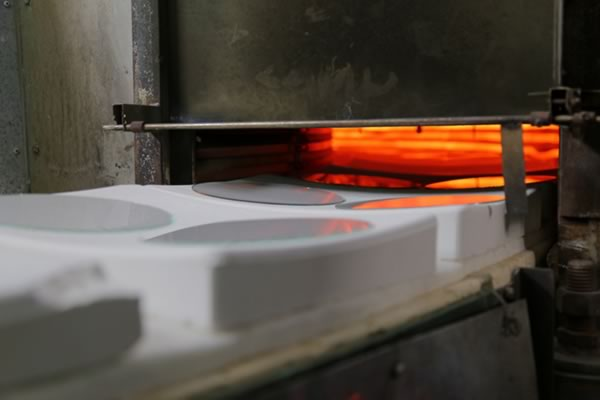
Out on the line, the tube cutting station lives or dies by the heat profile along the score. If the heat isn’t even, you get jagged edges, micro-cracks that follow the Glass into bending, and scrap that quietly murders yield. We built this tube cutting heater to sit in a tight thermal window—quick, repeatable, and easy to control—so the break rides the score clean instead of fighting it.
What matters under the hood
This is a short-wave infrared module, built around a high-emissivity quartz element tuned for glass. It responds fast, so you can pull temperature back in seconds and hold it without overshoot. The reflector geometry is laid out to give you a uniform thermal field along the tube, so you don’t create hot spots that drive thermal stress. Power and voltage can be spec’d to match your station as it sits. The footprint is compact, and the mounting interfaces are standard—drop it in, even when space is tight.
Why it holds up in real work
You can use the same heater in multiple heating steps across the plant. For hot bending, it gets the glass to forming temperature fast, with a controlled soak that shortens cycle time. In tempering, it delivers consistent preheat, so the quench does its job and optical distortion stays in check. In lamination, it pushes the adhesive through the cure curve evenly, which cuts voids and helps peel strength. For coating drying, it pulls solvents out without pinholes. And in insulating glass sealing, it supports uniform edge-band heating for a solid primary seal. The payoff is fewer rejects, more steady throughput, and less scrap.
What you’ll learn the hard way if you don’t plan it
Installation is straightforward, but alignment is where people get humbled. The tube has to sit in the reflector’s focal plane—otherwise you’ll see banding and uneven expansion. Keep the face clean; dust and glass fines will drop output fast. Plan for thermal management around the fixture, too. Nearby components can soak up radiant heat and drift. We recommend a simple interlock that cuts power when the door is open, plus periodic emissivity checks to keep the heating curve where it needs to be.