

Why we put our bathroom lamps through “the torture chamber”
Let’s be honest: bathrooms are a nightmare for electronics. You’ve got thick steam, direct splashes of water, and those wild temperature jumps from freezing cold to steamy hot in a matter of minutes. If a lamp isn’t built for that chaos, the seals give way and the filament just quits. That’s why we use damp-heat aging tests. Basically, we try to break our lamps in the lab so they don’t break in your home.
The battle against moisture
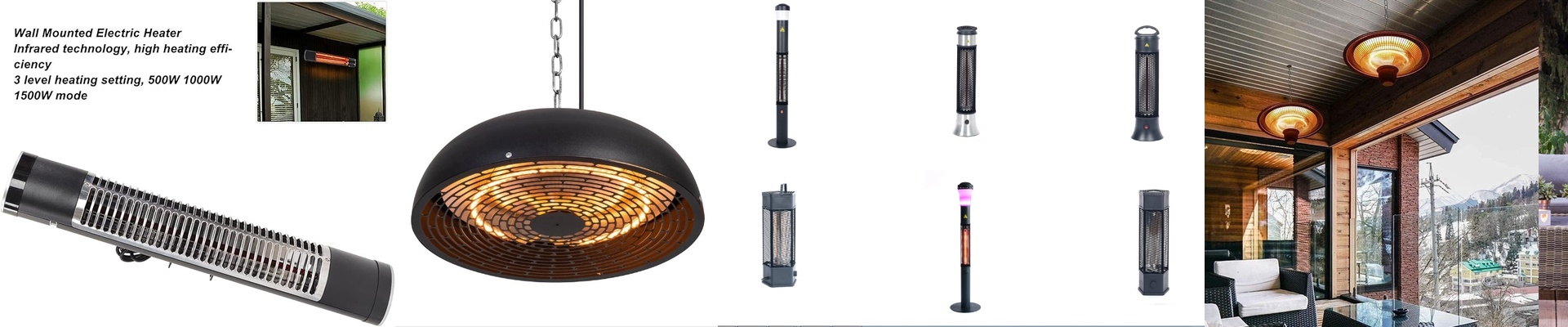
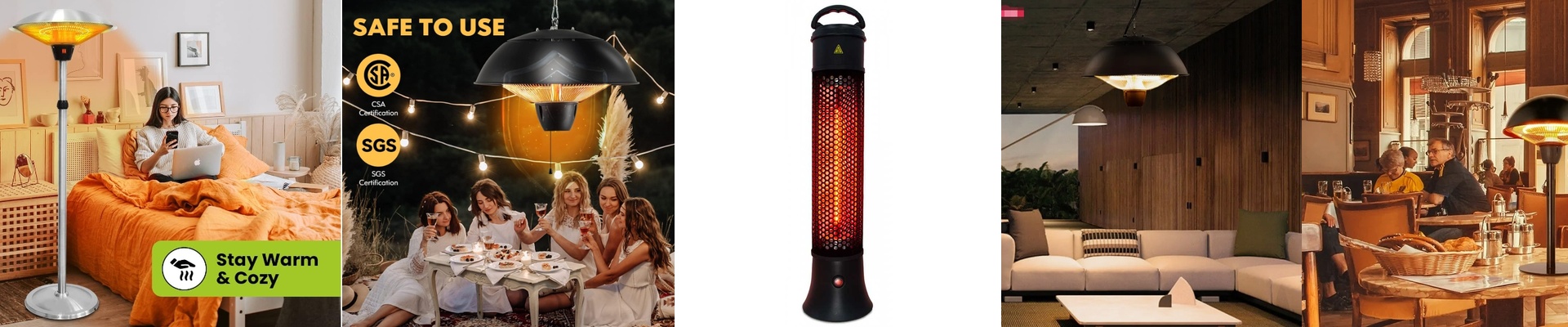
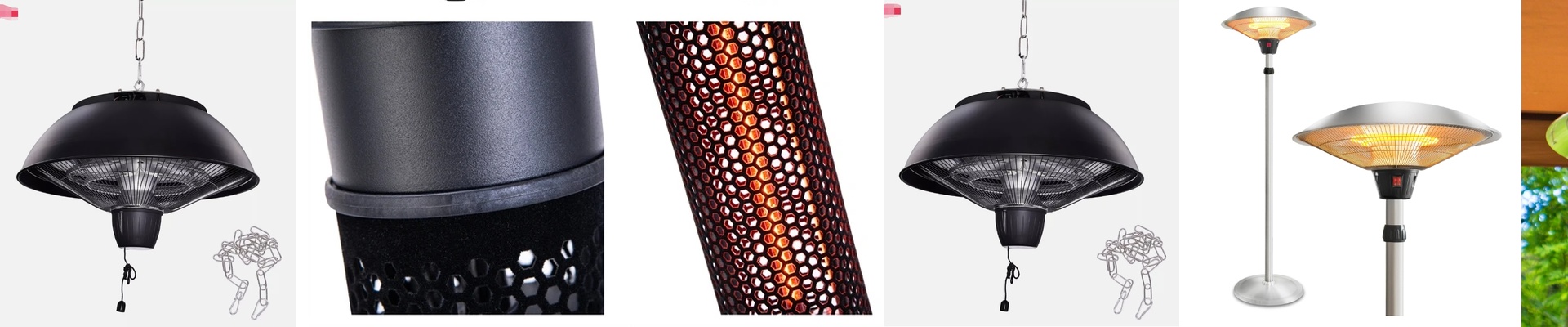
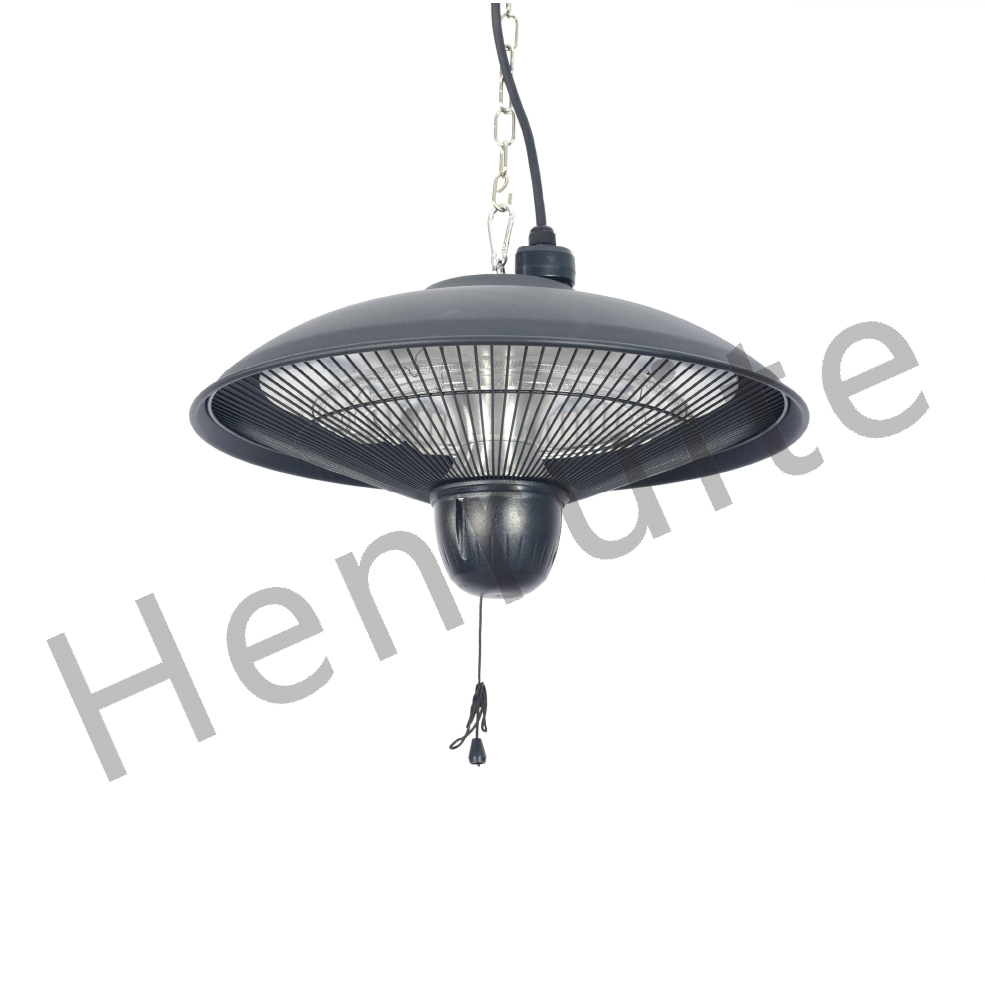
Here’s the thing about water vapor—it finds a way. It sneaks into the tiniest gaps you can’t even see. Once that moisture hits the high-voltage parts, you’re looking at short circuits or “tracking.” To stop that, we lock our infrared lamps in high-humidity chambers for days. We’re looking for any sign of rust on the contacts or a leak in the seal. If the quartz tube seal fails, the halogen gas leaks out. And once that gas is gone? The filament oxidizes and snaps.Game over.
Testing for the “real world”
We don’t just leave the lamps on; we cycle them. We swing the temperature from ice-cold to peak heat while keeping the air completely saturated. This makes the glass and metal end-caps expand and shrink over and over. It’s a brutal process, but it’s the only way to find those tiny micro-cracks. A lamp might look perfect during a quick quality check, but after 100 cycles in a steamy bathroom? That’s where the weak ones fail. We’d rather find those flaws here than have you deal with a dead lamp six months later.
The balancing act
You might think, “Just seal it airtight and call it a day.” But it’s not that simple. When we add heavy-duty waterproof housings, we’re essentially trapping heat inside with the wiring. If we seal it too tight, the electronics basically cook themselves. So, we spend a lot of time balancing the waterproofing with smart venting. It’s a bit of a tug-of-war. We’re constantly tweaking the design because we’d much rather see a melted bracket on our workbench than have you find one in your ceiling.