

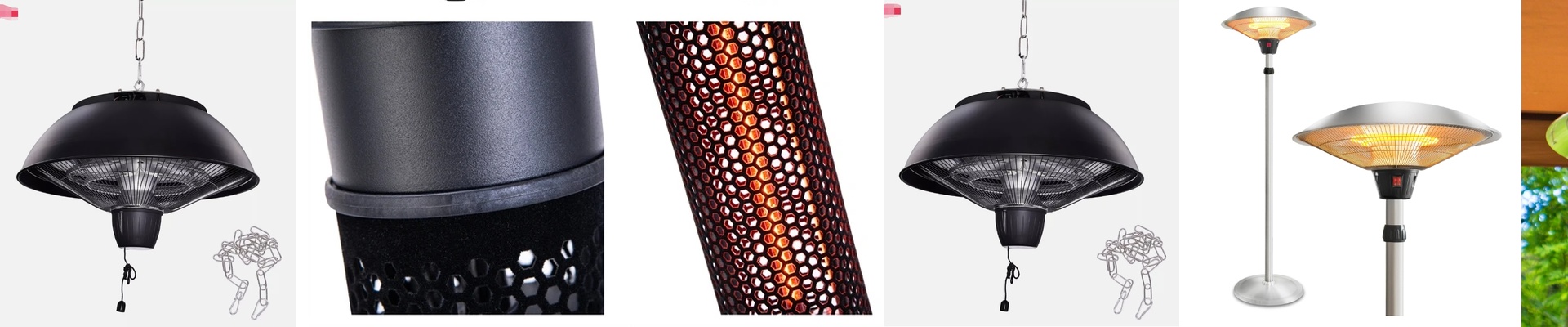
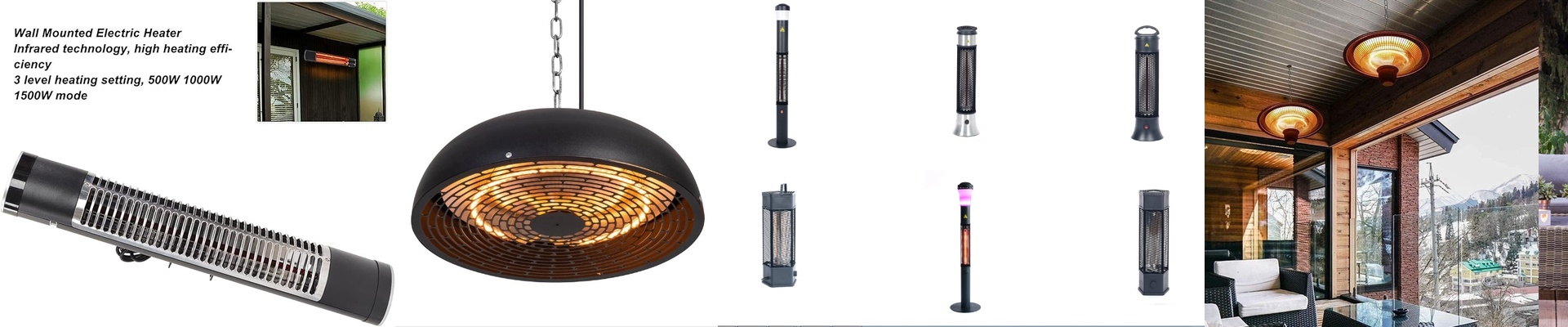


Why Modern Bathrooms Are Ditching Old Lamp Heaters
You know those old lamp-style heaters? The ones with exposed bulbs that always feel a bit fragile in a damp room? They’re quietly getting swapped out for something smarter: IP55-rated infrared heaters. And it’s not just for looks. It’s a straight-up upgrade for real life—where moisture is a fact and you want heat that hits right, without worrying about the unit giving up when things get steamy.
What IP55 Actually Means (in plain terms)
Here’s the heart of the change: IP55. That rating means the heater is built to keep dust out and handle water jets from any direction. Think of it as a tough, well-sealed friend for wet spaces. Traditional lamp heaters just don’t have that level of protection. In a bathroom or on a patio, that gap in sealing can turn into a real headache—moisture gets in, and suddenly you’re dealing with more than just cold air.
The Heat That Makes Sense
Infrared heat is different. Instead of warming the whole room’s air—and watching most of it vanish—it sends thermal energy straight where you feel it: onto people, onto surfaces, onto the spots that matter. The payoff? It warms up fast. And it doesn’t waste energy chasing warmth that drifts away. It’s direct. It’s focused. And honestly, it feels better the moment you step into range.
Built to Take the Heat (and the weather)
Inside, you’ll usually find a quartz tube. Quartz is a workhorse—it handles high heat and the stress of heating up and cooling down again, cycle after cycle. Glass just can’t keep up the same way. Plus, quartz makes it easier to keep the unit compact, which matters when space is tight. Then there’s the connector—often an R7s base. It’s there for a reason: to stay solid when temperatures swing. Expansion and contraction can break weaker connections. This one is built to keep a steady grip, even when the heater is doing its hardest work.
What It Feels Like in a Bathroom or Patio
In a bathroom, an IP55 infrared heater is the upgrade you don’t have to think twice about. You get immediate warmth—no waiting around for the air to heat up. And you get peace of mind, because water ingress is a lot less likely to turn into an electrical problem. On a patio, it’s the same story: you want heat that shows up quickly and doesn’t fade the moment the air moves. It’s the kind of comfort that feels effortless. You flip it on, you feel the warmth, and you move on with your day.
The One Thing to Plan For
There is one catch, though. Because the heat is concentrated, you do need to get the electrical load right and make sure the mounting surface can handle the localized temperature. This isn’t a set-and-forget device if you skip the basics. But when you plan the installation properly, the result is exactly what you want: a heater that holds up, performs reliably, and doesn’t turn your space into a maintenance project. That’s the real shift—less worry, more warmth, exactly where you need it.