

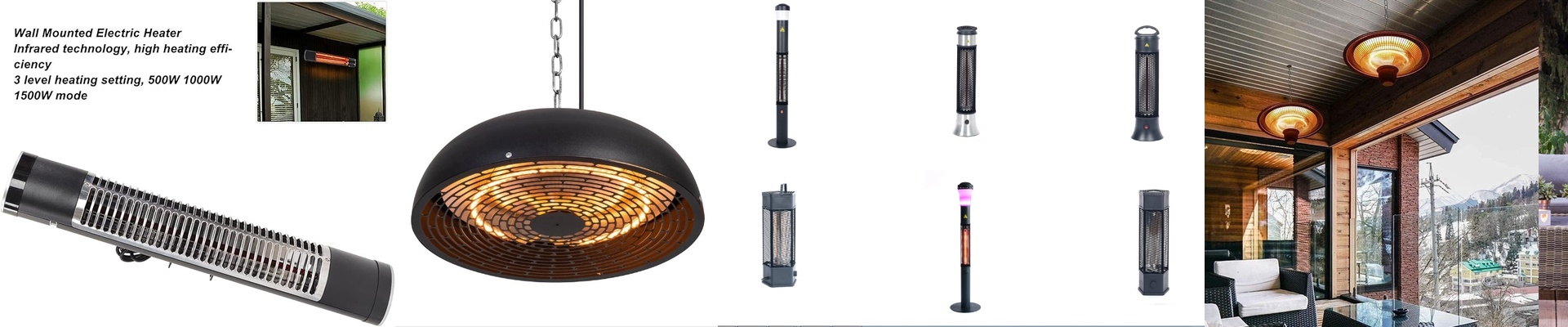

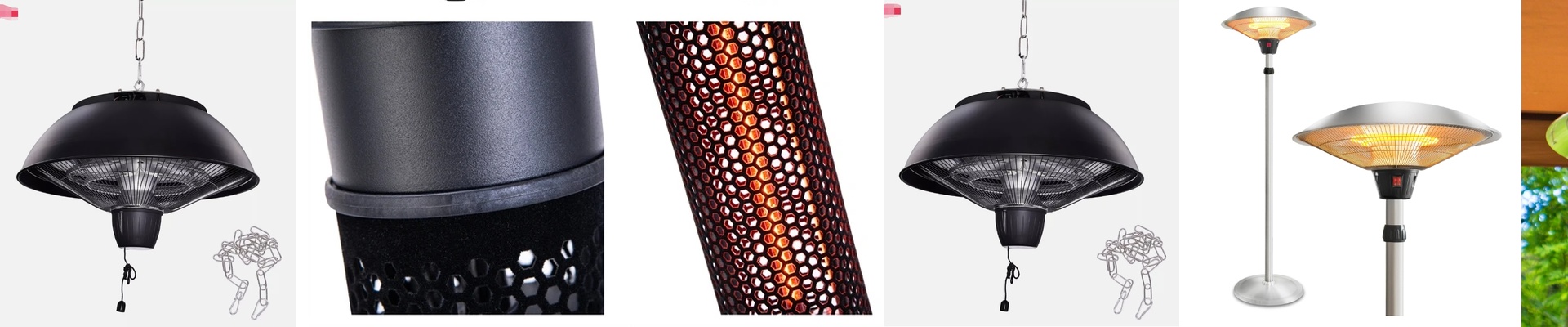
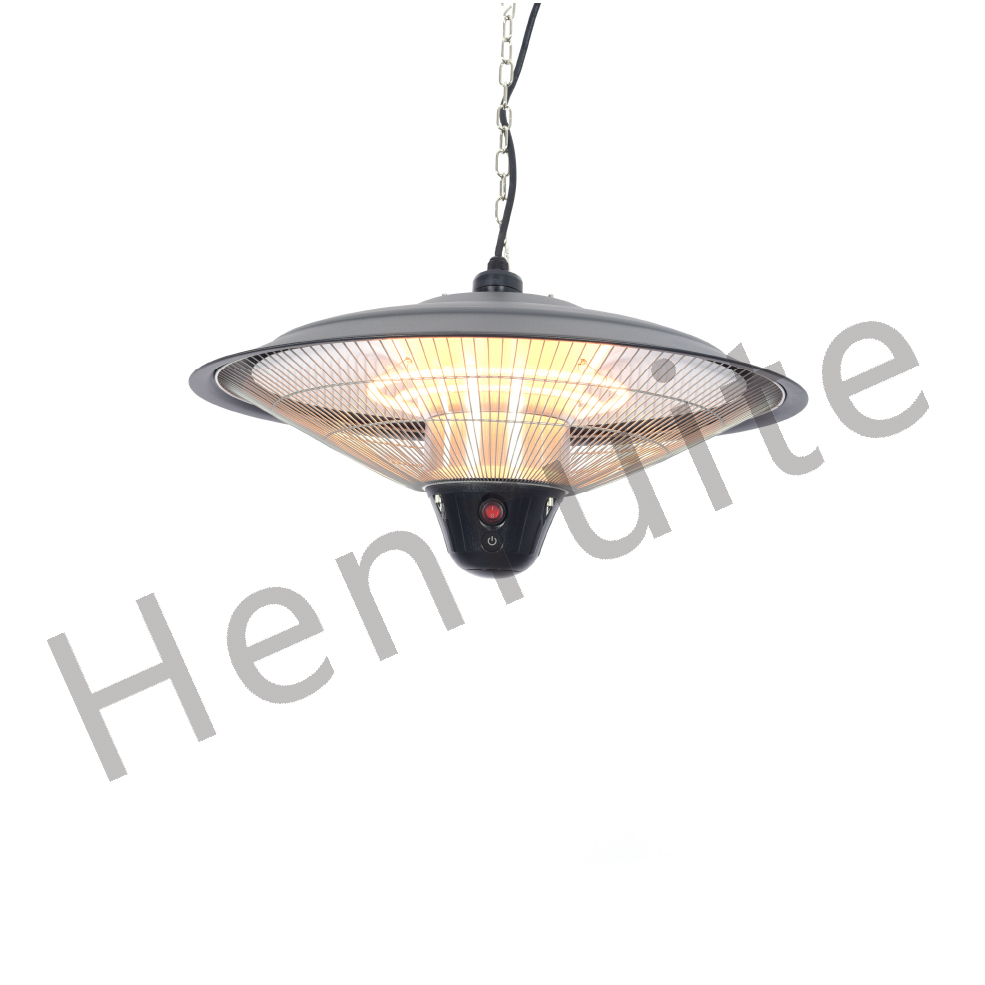
If your winter nights feel like you’re always weighing comfort against the electric bill, that’s the reality for a lot of us. Traditional electric oil-filled radiators do the job, but they heat the air—and warm air rises and gets lost. Infrared heaters take a different approach. They deliver warmth straight to people and objects, more like standing in a patch of sun on a cold day. You feel it faster, and it takes a lot less energy to stay warm.
What matters under the hood
We build our infrared heaters around a high-efficiency carbon fiber element inside a sealed quartz tube. That setup produces radiant heat with minimal wasted convection. In practice, you get warmth almost instantly—no waiting for a big thermal mass to come up to temperature. Most models run on a standard 120V outlet, typically pulling 1,500W, and come with a thermostat and tip-over protection for steady, worry-free control.
Why this approach makes sense
Compared to an electric oil-filled radiator, infrared warmth gets you the same comfortable body temperature using less total energy. In side-by-side use, a lot of homes see real savings because the heater isn’t fighting heat loss—it’s delivering heat where it counts. You also get comfort sooner: the room feels usable earlier, and you can run the heater less to keep that cozy feel. Fewer run hours, lower bills, and less time waiting around.
The details that matter
Infrared heaters warm people and surfaces directly, so the air around you can feel cooler. For best results, position the unit so people are seated within the direct comfort zone, and if kids or pets are nearby, choose a model with a protective grill. Installation is straightforward—plug it into a grounded outlet—but make sure the circuit isn’t overloaded. For larger areas, size the unit to the square footage, and keep it away from moisture unless the model is outdoor-rated with an IP rating.