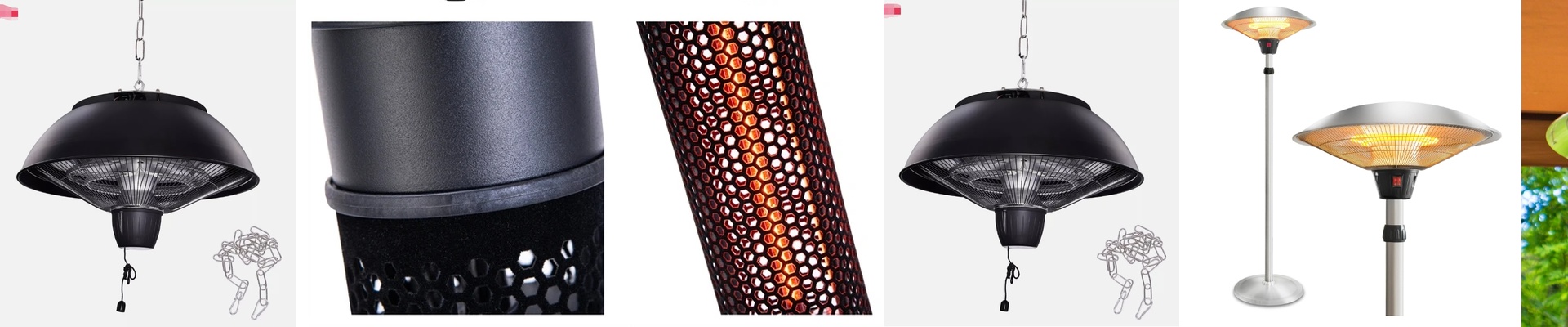


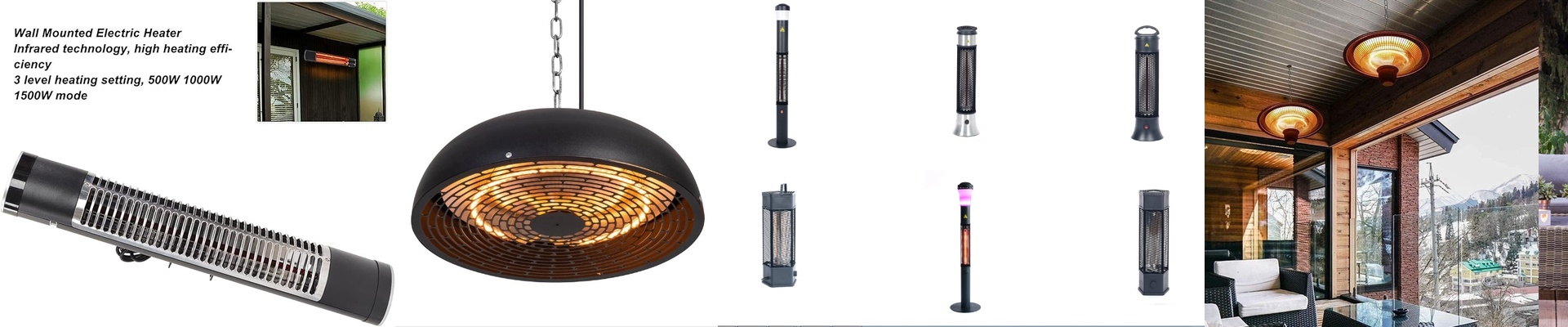

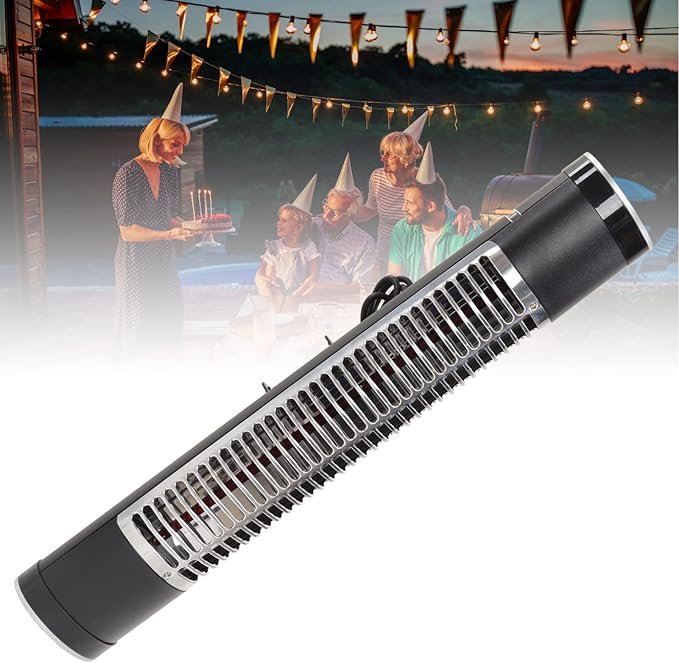
On the road, heat isn’t a comfort—it’s the difference between a solid night’s sleep and a morning that never gets going. In an RV, every amp counts, and a heater that pulls hard off the inverter can drain the battery before the night is half over. A compact infrared Salamander electric heater flips that equation. It puts warmth right where you need it, without asking for a big slice of your limited power.
What matters, under the hood
We built the Salamander around radiant infrared technology. Heat goes straight to people and surfaces, not the air in between. You feel the warmth almost the second the element comes up, and you’re not wasting energy heating empty space. Inside, a quartz tube element produces short-wave infrared warmth, paired with a reflector that focuses the output forward. It runs on standard 120V shore power and draws a modest current, so it plays nice with typical RV outlets and inverters. A built-in thermostat gives you fine control, and tip-over protection kills the heater if it gets bumped. The enclosure is sealed for outdoor use, with an IP rating that handles rain and dust, and the housing stays cool to the touch.
Why this approach fits the RV life
In an RV, the goal is comfort with restraint. The Salamander shines because it warms you quickly, then cycles gently to hold the temperature without hammering the battery bank. No fan means it’s quiet, so evenings stay peaceful. The footprint is small, and the shape tucks into tight corners—under benches, beside an entryway, wherever you need it. You get the feel of a campfire’s warmth, minus the smoke, right where you sit. That steady radiant heat does more than keep you cozy; it helps loosen stiff muscles after a long drive.
The practical details that matter
Infrared heat is directional, so aim the unit at the main seating area. If you want full-cabin comfort, pair it with a small convection heater to manage air temperature while the Salamander handles direct warmth. It runs best on a clean 120V supply; if your inverter is undersized, you may notice the heater cycling at peak demand. Keep a safe clearance in front and on the sides, and keep flammable materials well away. Set it up properly, and it delivers dependable warmth night after night—whether you’re plugged in at a campground or running off-grid.