

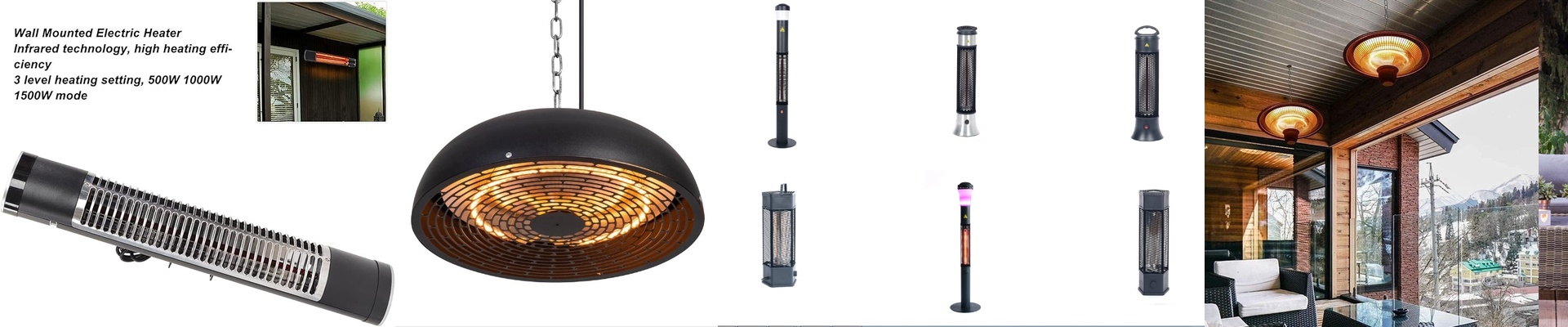
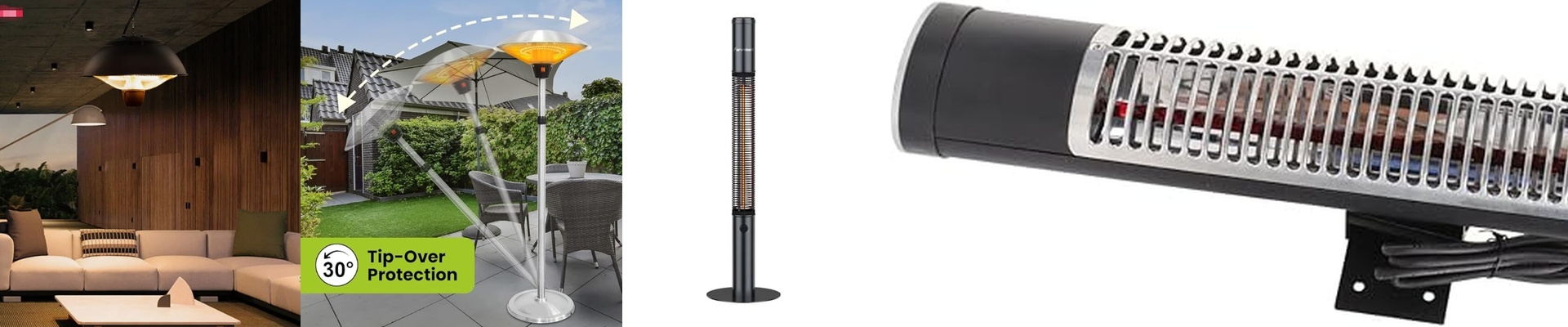

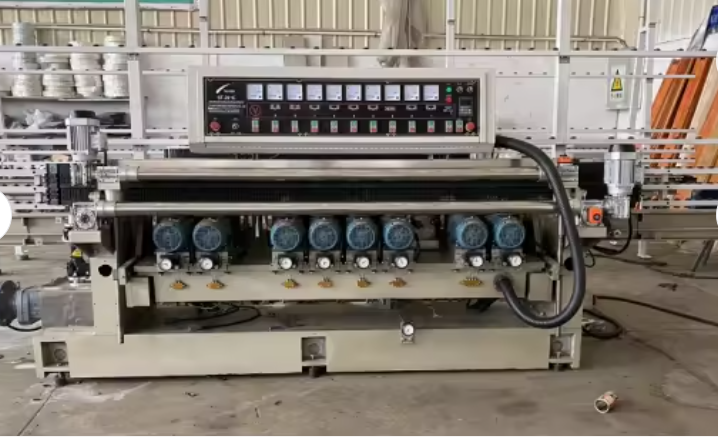
On the glass line, temperature isn’t a background setting—it’s the lever that makes or breaks every bend, every temper, every pass. Get the bending furnace even a few degrees off, and you’ll see optical distortion, edge spring-back, and thermal stress that shows up later in tempering. We built our furnace control around that reality, dialing in the thermal behavior glass needs during hot bending, tempering preheat, lamination curing, and coating drying. What matters under the hood We run a high-emissivity quartz heating array, tuned for a fast, stable heat-up with tight zone control. Each element is matched to the furnace geometry so the thermal field lays across the glass uniformly—fewer hot spots, fewer cold edges. Under load, the control system holds setpoint within ±2°C, and you can profile ramp rates to match low-iron, coated, or laminated stacks without overshoot. We balance energy draw against cycle time, so you get quick response without demand spikes when the line is running full pitch. Why it plays in real production In hot bending, uniform temperature cuts waviness and edge roll-in, so first-pass yield climbs and rework drops. In tempering preheat, a repeatable profile shortens the transfer to the quench—cycle time comes down while breakage risk stays manageable. In EVA/SGP/PVB lamination curing, stable heat across the press gives consistent adhesion and fewer delaminations. For coating drying, controlled heat keeps pinholes and blisters out, so optical quality stays on spec. The upshot: fewer rejects, steadier throughput, and lower energy per piece. The field notes you’ll appreciate Installation means matching the existing furnace footprint, power, and thermocouple interfaces. Retrofits can be straightforward, but mismatched wiring or weak insulation will show up as drift and uneven heating. Plan for emissivity shifts across glass types—coatings and interlayers change heat absorption, so lock the process window and adjust when you switch stacks. You’ll get faster warm-up, but make sure quench readiness and conveyor timing stay in sync with the rest of the line.