
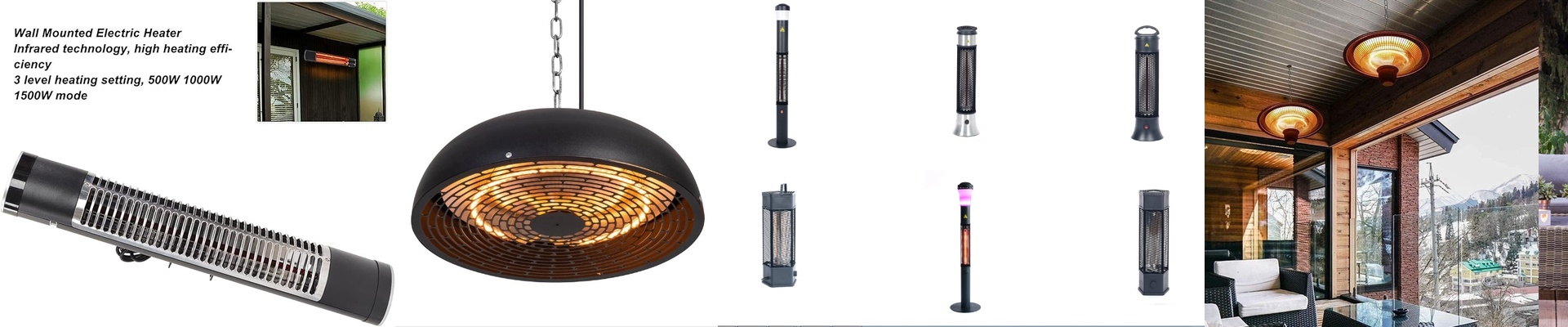
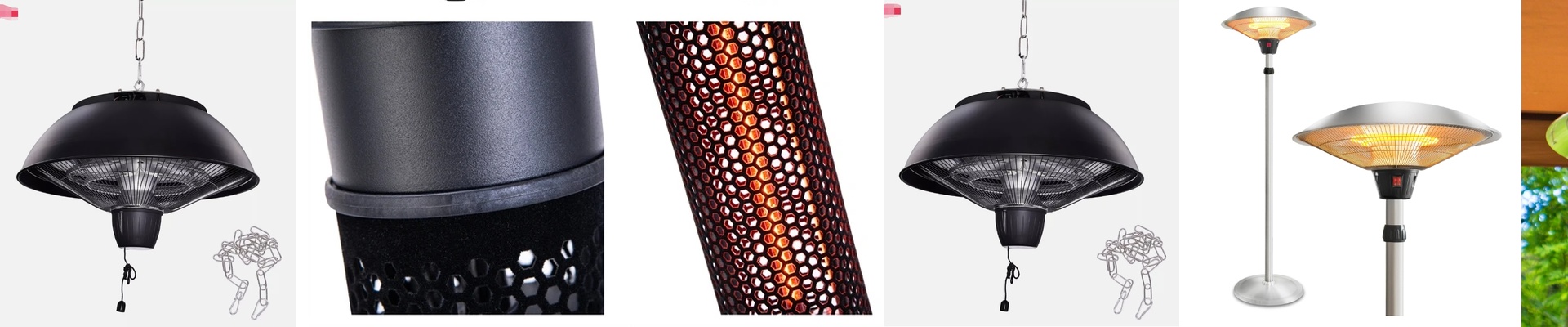


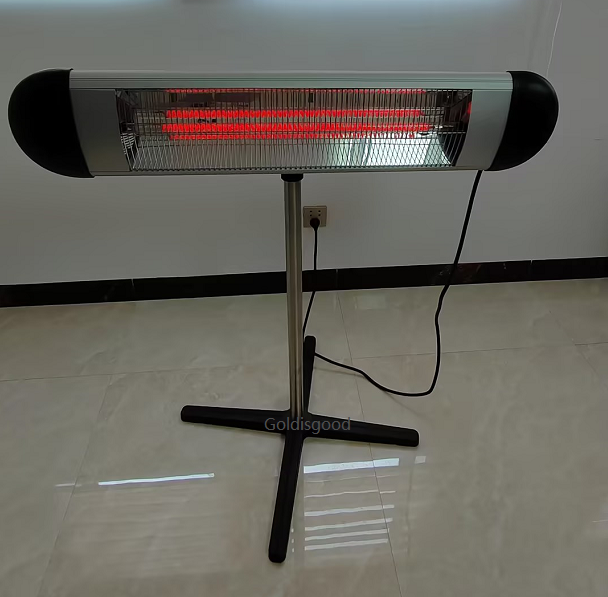
Keeping Changing Rooms Warm Without the Headache
Let’s be honest: locker rooms and changing areas are a nightmare to heat. You’ve got people walking in dripping wet, cold air rushing in every time a door opens, and a constant battle against humidity. You need heat, and you need it now. That’s where IPX4 shortwave infrared heaters come in. Most heaters try to warm up the air in the room. The problem? Air is lazy. It moves around, escapes through vents, and takes forever to actually make you feel warm. Shortwave infrared is different. It doesn’t mess with the air; it sends heat straight to your skin and the surfaces around you. It’s fast. Really fast. While a standard heater is still trying to wake up, these units hit their operating temperature in seconds. You step into a cold changing area and—boom—you feel the warmth instantly. No waiting around shivering in a towel. But since we’re talking about wet environments, we have to talk about the water. Water and electricity are a bad mix. That’s why the IPX4 rating is a big deal. It basically means the housing is sealed up tight against splashes from any direction. Whether it’s a stray spray from a shower or someone shaking out a wet gym bag, the wiring and terminals stay dry. It saves you from the nightmare of short circuits or rust eating away at your gear. Now, if you’re installing these, there are a couple of things to keep in mind. Mounting them overhead is usually the way to go because it spreads the heat over a larger area. But be careful. Because this heat is so intense, you can’t just slap them anywhere. If they’re too low or crammed too close together, you’ll end up with “hot spots”—basically areas that feel like an oven while the rest of the room is chilly. You’ve got to match the mounting height to the wattage to get it just right. The best part? These are easy to swap into spots where you used to have those old, clunky electric panels. You’ll save energy because you’re heating the people, not the walls. Just a heads-up: check your circuit breakers first. These units pull a bit of a punch right when they kick on, so make sure your electrical setup can handle that initial surge.