
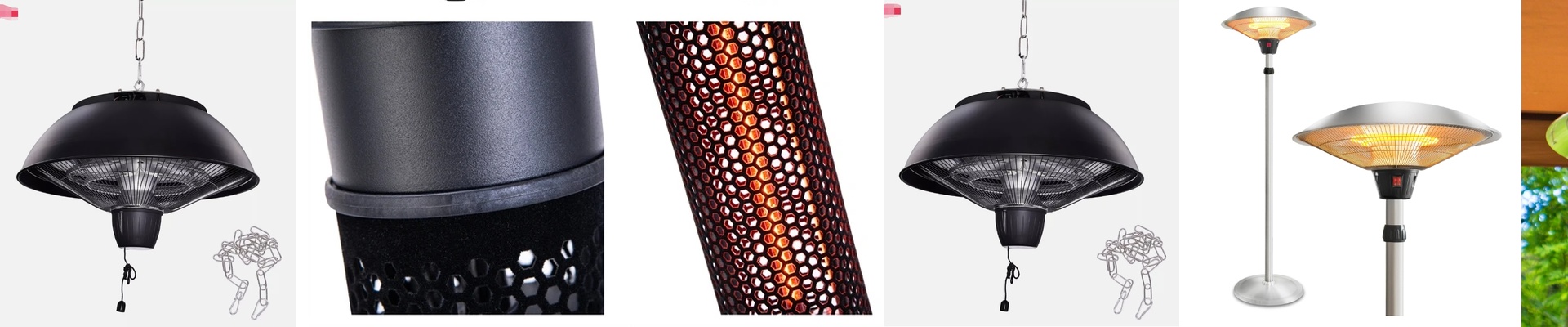




Why Your Bathroom Heater Doesn’t Just Explode When It Gets Wet
Ever wonder why some bathroom heaters can handle a steamy shower while others feel like a ticking time bomb? It comes down to a pretty scary bit of physics. Imagine a heating element glowing at over 800°C. Now, imagine a single, cold drop of water hitting that glass. The temperature drops so fast and so violently that standard glass just gives up. It shatters. That’s why we use explosion-proof quartz tubes. Dealing with the shock Now, quartz is already pretty tough, but it’s not invincible. To stop the tube from popping during your morning shower, we add a reinforced structure or a special coating. Think of it as a buffer. It slows down how fast the heat moves and keeps the water from hitting the hottest part of the glass directly. It’s a simple fix that keeps the whole thing from cracking under pressure. Staying safe around water Here’s the real danger: water conducts electricity. If a tube cracks, that internal tungsten filament is suddenly exposed to moisture. That’s a recipe for a short circuit or a grounding fault—and nobody wants that in a wet bathroom. Our design makes sure that even if the inner element fails, the housing keeps the debris contained. No sparks, no arcing. But a pro tip? Make sure your circuit is backed by a high-sensitivity RCD. With these high-wattage loads, you want that extra layer of protection just in case. The trade-off Nothing is perfect. To get this level of safety, we have to make a small sacrifice. That protective coating we mentioned? It blocks a tiny bit of the infrared light compared to a clear tube. You lose a fraction of the raw heat intensity, but in exchange, you get a heater that won’t blow out just because it got splashed. We’ll take that deal every time. At the end of the day, feeling safe in a steam-filled room is way more important than a few extra degrees of heat.