
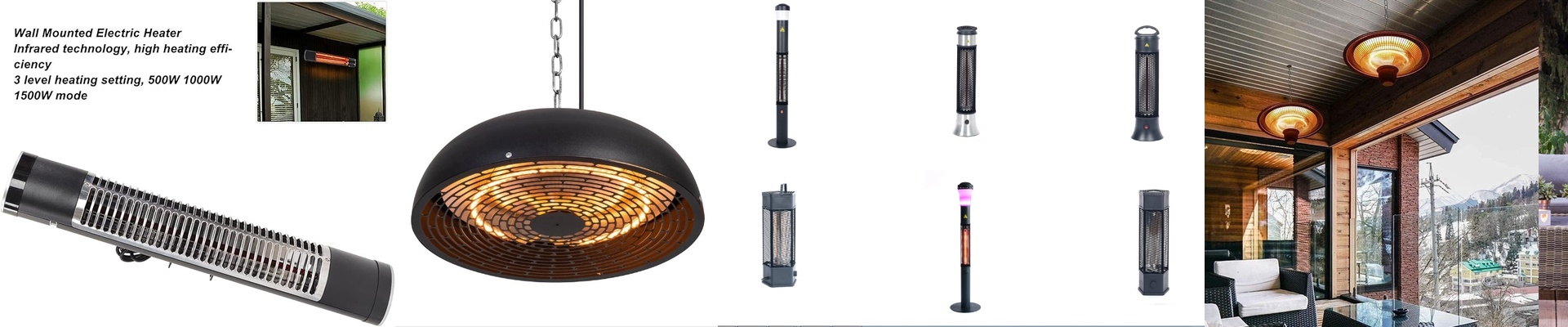




Why we’re ditching old heat lamps for IPX5 infrared heaters
If you’ve ever had a bathroom heat lamp just… die… you know the frustration. Usually, it’s because steam and moisture seeped into the guts of the thing and caused a short. It happens all the time. That’s why we’ve been moving toward IPX5-rated infrared heaters. They’re just built to handle the dampness of a bathroom without giving up the ghost. What’s the deal with IPX5? Basically, an IPX5 rating means the unit can take a blast of water from pretty much any angle and keep on ticking. Think about your bathroom: it’s a cloud of steam and occasional splashes. Old-school lamp warmers aren’t usually sealed like this. When a drop of water hits a scorching hot quartz tube or an open terminal, it’s a recipe for disaster—either the glass cracks from the shock or the wiring shorts out. With an IPX5 seal, the electronics are tucked away safely, keeping the moisture where it belongs: outside the wiring. Instant heat, no waiting Here is the best part: these heaters use shortwave infrared. Instead of trying to heat up all the air in the room (which takes forever), the energy goes straight to your skin. It feels like stepping into a patch of sunlight on a cold day. It’s fast. Really fast. You don’t have to stand around shivering while the room slowly warms up; you feel it the second you flip the switch. We make this happen using a specific blend of tungsten filaments and quartz glass. A quick heads-up on installation Now, because these units pack a punch, they get very hot in a small area. If you’re installing these, please don’t put them on cheap plastic panels. The heat density is high enough that it can actually warp low-grade materials over time. Stick to heat-resistant mounts to keep everything safe and sturdy. Keeping it simple We’ve kept the footprint small so they slide right into modern ceiling grids without a fight. One thing to know: because the internals are sealed tight for that waterproof rating, you can’t really open them up to tinker with a burnt-out element. If a module goes, you just swap the whole thing out. It’s much easier for the contractor, and it means less downtime for you. Just make sure you wire it to a dedicated GFCI circuit. Safety first, especially when water and electricity are in the same room.