

Stop Losing Money Just Because It’s Cold Outside
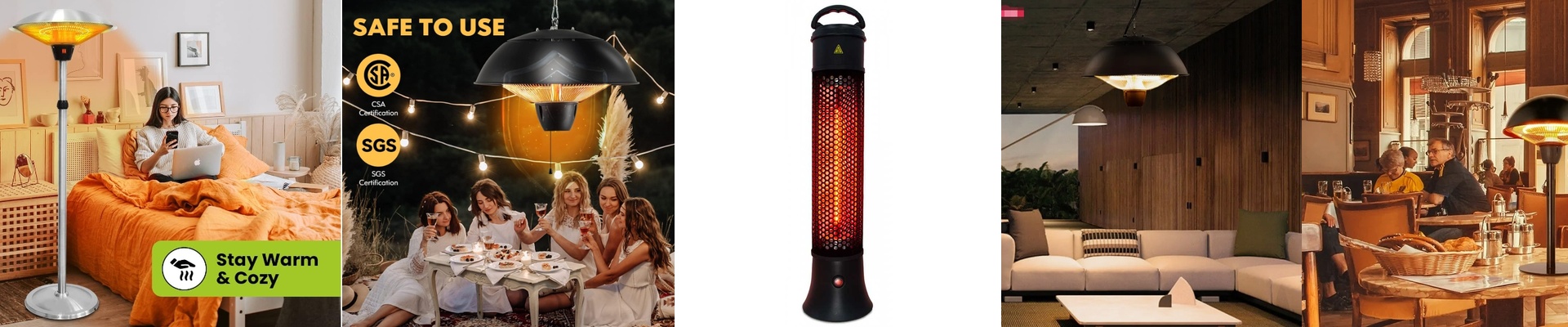
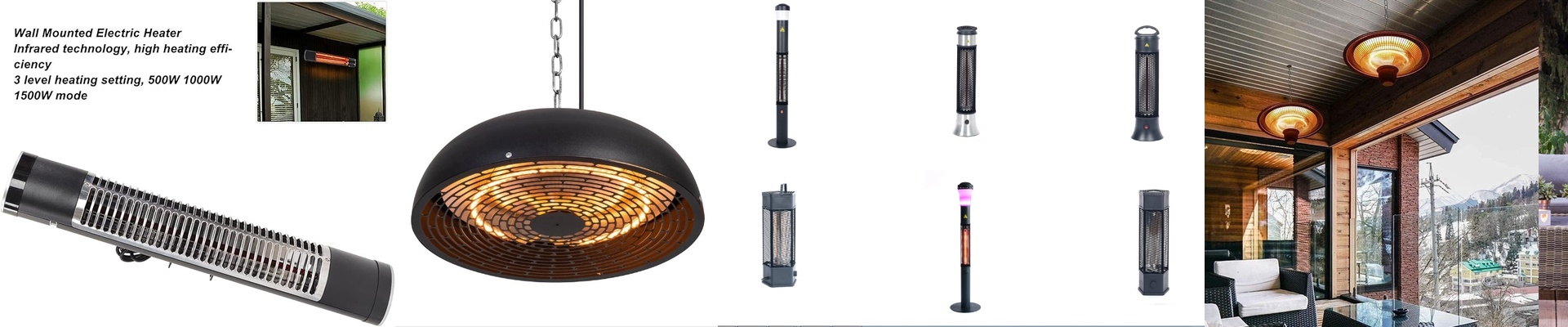
Let’s be honest: outdoor dining is a nightmare once winter hits. You’ve got these great tables and a beautiful patio, but the second the temperature drops, they become expensive pieces of furniture that nobody wants to sit at. Most people try to fix this with standard heaters. But here’s the problem: those things just heat the air. And in an open-air space? That warm air just drifts away the moment a breeze hits. It’s like trying to fill a bucket with a hole in the bottom. That’s why we use shortwave infrared. Instead of fighting the wind, these heaters go straight for the target. They warm up the people and the furniture directly. The air doesn’t matter.
How we actually set this up
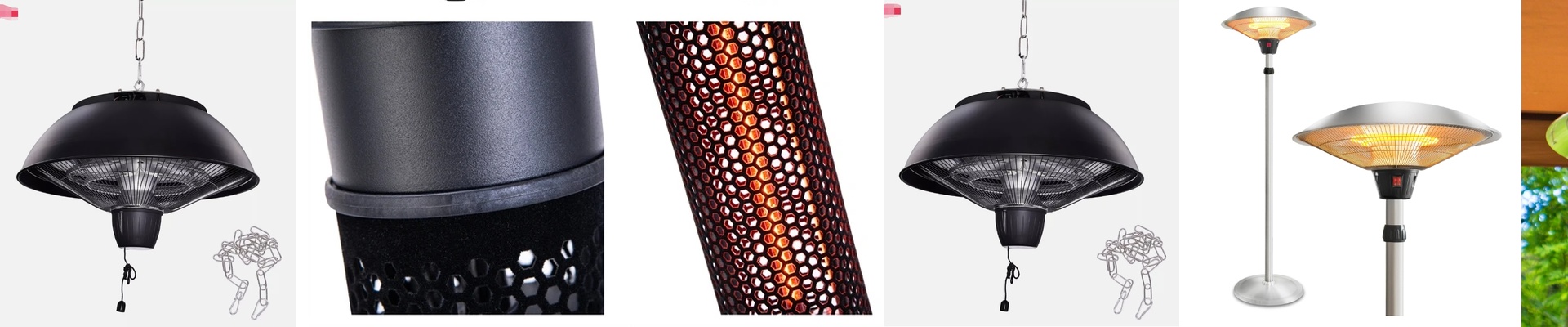
If you’re using a pergola, we go with waterproof units that can take a beating from rain or snow without flinching. Inside, there are quartz elements that hit their top temperature in seconds. No waiting around for the space to “warm up.” We usually install them in a grid across the ceiling to create these little “warm zones.” It feels like sitting in a patch of sunlight on a crisp autumn day. That immediate warmth is what keeps guests from checking their watches and rushing inside. When people are comfortable, they stay longer. They order another drink. They order dessert.
The “Gotchas” (and how to avoid them)
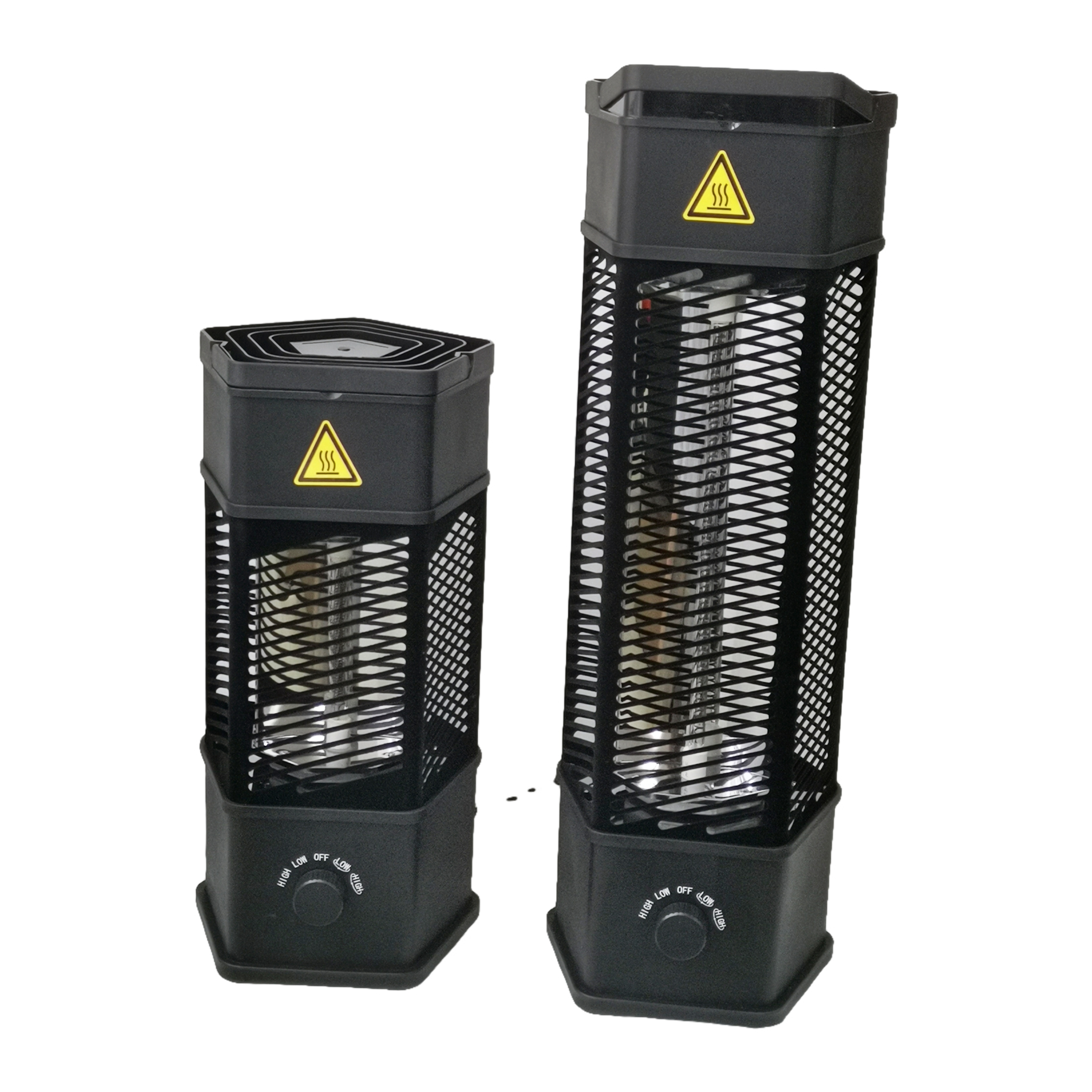
We build these things to last, using polished aluminum reflectors to push the heat straight down where it belongs. But there is one thing you have to watch out for: your electrics. High-wattage heaters pull a lot of power. If you just plug a dozen 2000W heaters into a circuit that wasn’t meant for them, you’re going to trip a breaker right in the middle of a Friday night rush. Not a great look. We always suggest dedicated circuits for these zones. It’s a bit more work upfront, but it means you don’t have to worry about the lights going out during peak service.
Does it actually pay off?
The math is pretty straightforward. Think about it: if you can keep 10 outdoor tables open in January instead of locking them up for the season, those extra covers pay for the equipment in a matter of weeks. You aren’t just buying some heaters. You’re basically adding more square footage to your restaurant without having to build a new room.