


Why 0.1℃ Actually Matters When You’re Annealing Glass
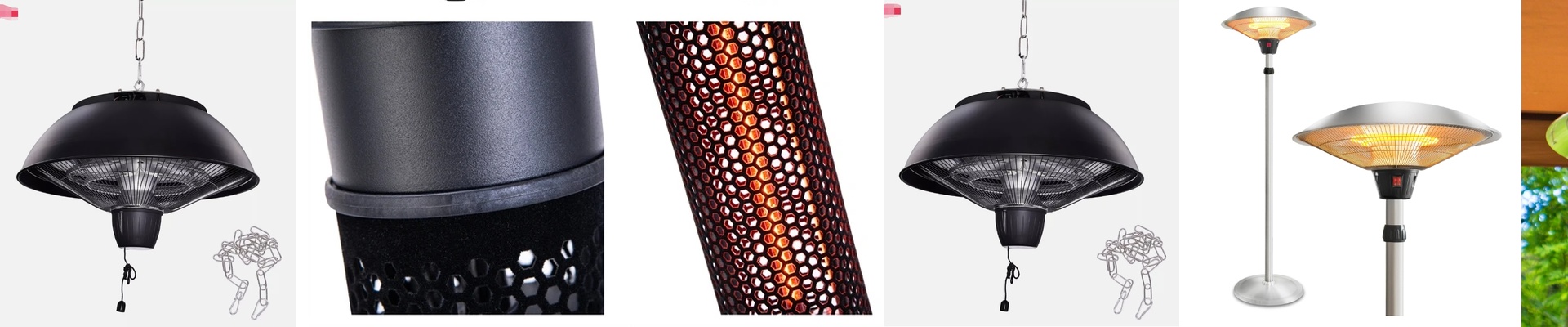
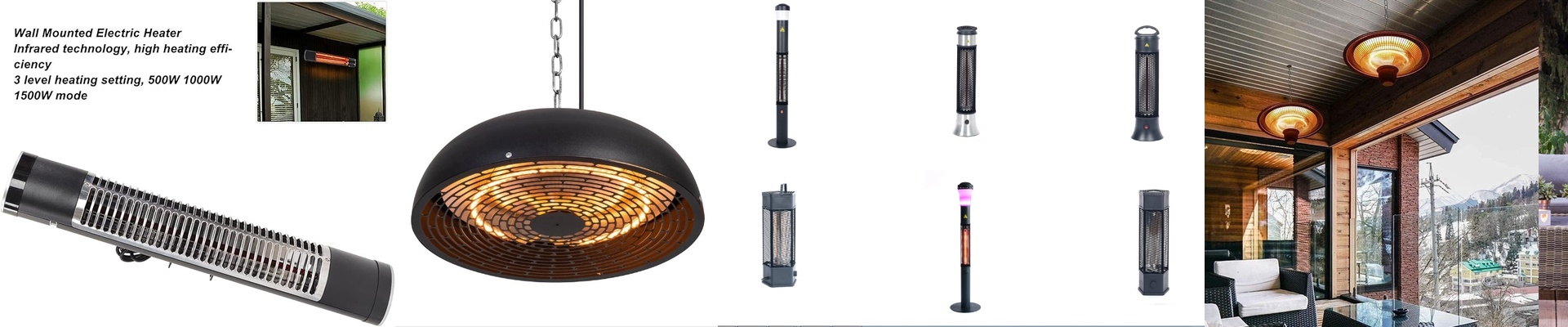
Ever had a piece of lab glassware just… snap? It’s frustrating. Usually, it happens because there’s hidden stress trapped inside the glass that never got worked out. That’s where we come in. We use quartz infrared heaters to handle the annealing process, and we obsess over a 0.1℃ temperature tolerance. It sounds like a tiny number, but it’s the difference between a perfect flask and a pile of shards. The struggle with precision Glass is finicky. There’s a very specific window where it shifts from being flexible to rigid. If your heater swings by even a few degrees, you get “thermal gradients”—basically, some parts of the glass are hotter than others. That creates tension. To stop that, we pair our infrared elements with high-speed PID controllers. It keeps the heat steady and smooth. Instead of hot and cold spots, your tubes or flasks get a uniform “soak,” which is exactly what you want for a stable piece of gear. What’s under the hood? We build these heaters with high-purity quartz envelopes. Why? Because quartz lets short-wave infrared radiation fly straight through without soaking it up. It hits the glass target immediately. It’s way faster than waiting for air to heat up. But you can’t just crank the power. If the watt density is too high, you’ll get hot spots that ruin the whole batch. We spend a lot of time balancing the voltage and wattage. It keeps the lamp from burning out while making sure the heat footprint stays exactly where it needs to be. The reality of using them Look, these aren’t “plug and play” toys. You need shielded cabling, or the electrical noise (EMI) will mess with your sensors and give you fake readings. And you have to be careful. Quartz is fragile. One clumsy bump during installation and you’ve got a cracked envelope. Plus, keep your chamber spotless. Any gunk or contaminants on the quartz surface will cause the lamp to overheat in one spot and die early. At the end of the day, a 0.1℃ system is only as good as where you place your thermocouples. Get those right, and the rest falls into place.