

Getting the Heat Right in Fiberglass Annealing
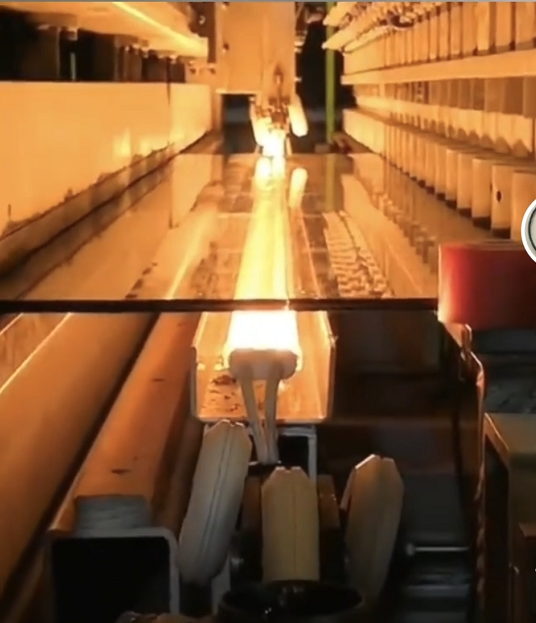
Ever feel like you’re cranking up the heat on your IR heaters, but the glass just isn’t soaking it up? It’s frustrating. You’re pumping in energy, but it feels like the heat is just bouncing right off the surface. That’s usually because of the chemistry. When you add specific modifiers to your fiberglass, the material changes how it “sees” infrared light. If the wavelength of your heater doesn’t line up with the absorption peak of your glass, you’re basically fighting a losing battle. We handle this by tweaking the IR spectrum to match the actual molecular vibration of your material. Hitting the sweet spot Think of it like a radio. If you’re not tuned to the right frequency, you get static. Glass is the same way. Depending on what’s in your mix, you might need short, medium, or long-wave IR to actually get the heat inside the fiber core. Without this tuning, you end up with a nasty problem: the outside of the fiber gets scorched while the center stays cold. By hitting those exact spectral peaks, the heat spreads evenly through the whole cross-section. It just works better. The trade-off in the hardware To make this happen, we have to get picky with the filament materials and how we dope the quartz envelope. We can tighten the energy into a very narrow band, which makes the heat transfer way more efficient. But here’s the catch. When you narrow that band, you lose some of the overall wattage per inch. You might find you need a few more lamp banks to keep your line moving at the speed you’re used to. It’s a bit of a balancing act, but the quality jump is worth it. What this looks like on your floor On a practical level, this means you can stop worrying about internal cold spots or surface burns. These heaters are designed to be drop-in replacements. You can plug them right into your current PID controllers. The setup stays the same, but the physics change. Your glass hits that annealing temperature much faster. One quick tip: keep an eye on your cooling system. If your glass additives are highly reflective in certain zones, that energy has to go somewhere. You’ll want to make sure your cooling can handle that reflected heat so your housing doesn’t turn into an oven.