


Cold nights in a tent aren’t just uncomfortable—they make everything harder. Hands stiffen, feet go numb, and even a hot drink doesn’t cut through the chill. When your core cools, circulation drops, and your extremities take the hit. Infrared warmth changes the feel of that because it heats people and surfaces directly, not just the air.
What matters under the hood
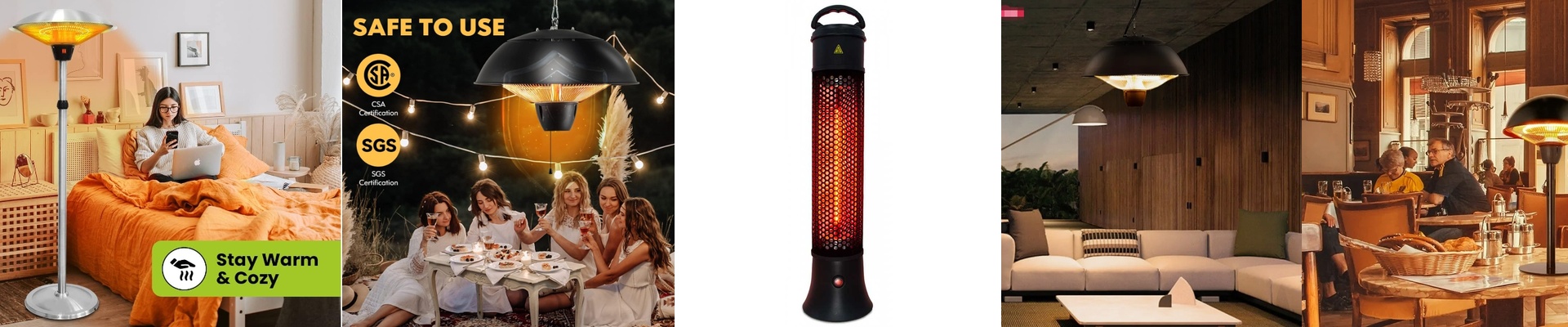
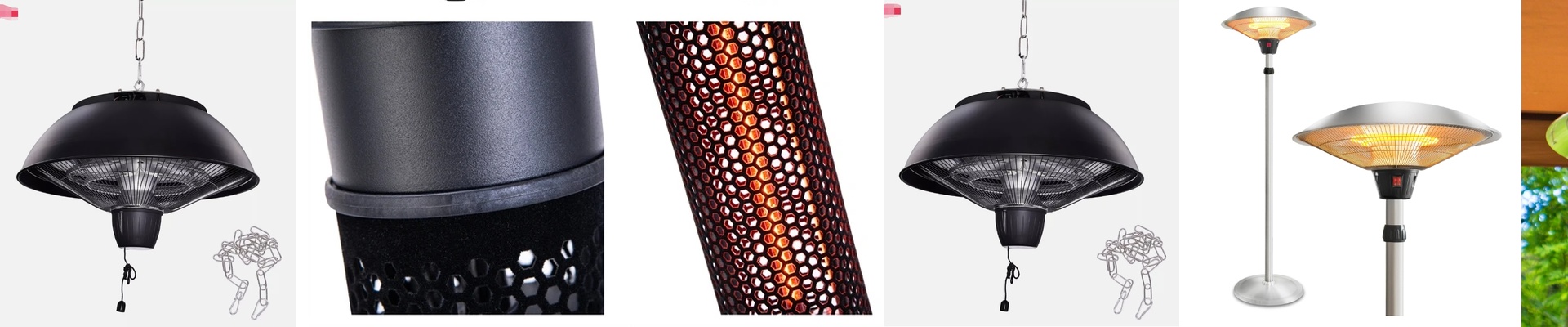
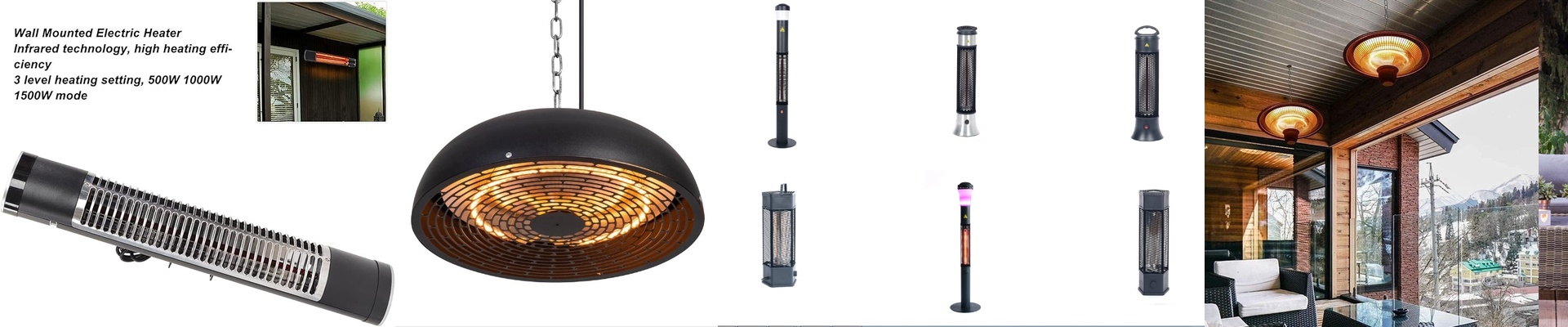
We built our tent-ready infrared heater around a carbon fiber element that puts out medium-wave infrared heat. It gives you a sun-like warmth that penetrates clothing and reaches the skin, without blowing air around. The result is a gentle, directional heat that helps keep hands and feet responsive. A built-in thermostat holds your chosen temperature, and tip-over protection shuts the unit off if it gets knocked over. It’s electric, runs quietly, and plugs into standard outlets, so it’s easy to set up at the campsite, in the backyard, or on a covered patio.
Why this approach fits a tent
Air-based heaters in a tent fight a losing battle: warm air rises and slips out through vents, leaving the floor cold. Infrared heat travels in a straight line, warming your body, your chair, and the floor underfoot. That direct contact helps support microcirculation, so fingers and toes stay flexible—less of that icy, pins-and-needles feeling. You feel cozy faster, you don’t need to throw as much energy at the problem to stay warm, and the evening ends on your terms, not because your hands gave out.
The practical stuff
Infrared heat performs best in enclosed or semi-enclosed spaces. Keep the tent well ventilated, and position the heater so the radiant beam covers your seating area and the floor near your feet. Don’t block the front of the unit, and set it on a stable, level spot. For safety, use a grounded outlet and keep cords out of walkways. This heater warms objects and people directly—it isn’t built to heat the air across large, open outdoor areas.