

Dealing with Temperature Dead Zones in Glass Annealing
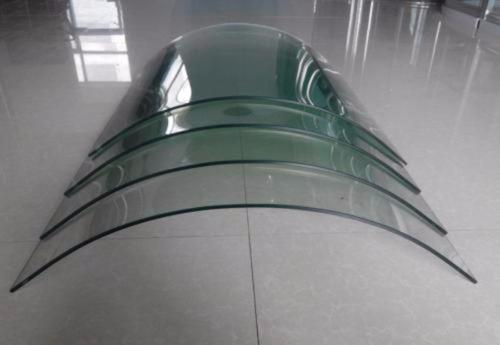
If you’ve ever worked with glassware that has a weird shape—maybe a really narrow neck, a wide flared rim, or a deep bowl—you know the struggle. You put it in a standard annealing kiln, everything looks fine, and then snap. It happens because of “dead zones.” Basically, the heat just doesn’t reach those tricky spots. When one part of the glass stays cool while the rest gets hot, you get uneven stress. That’s how you end up with a piece that shatters the second it leaves the line. It’s frustrating, and it’s a waste of good glass. The trick with IR Arrays To fix those blind spots, we lean on shortwave infrared (IR) lamps. Here’s the thing: convection heat is lazy. It struggles to get into tight gaps. IR is different. It travels in straight lines and hits the glass surface directly. By setting these lamps up in a multi-angle array, you can essentially wrap the heat around the piece. It ensures the neck and the base hit the annealing point at the exact same time. No more guessing. The trade-off with heat density Now, to get that kind of punch, you need high-wattage quartz lamps. We usually go for high-density output because it cuts down the cycle time. Who wants to wait longer than they have to? But there’s a catch. High-wattage tubes get hot. Like, really hot. If you cram them in too tightly without enough breathing room or airflow, you’re going to run into trouble. You might burn out the lamp ends or even warp the kiln housing. You’ve got to make sure your cooling system can actually handle the extra heat coming off those casings. Getting it running on the shop floor Adding these to an old kiln takes a bit of a steady hand. We use quartz-halogen tech because it’s instant. You don’t have to sit around waiting for a heating element to slowly warm up. You flip the switch, and the heat is just… there. One last piece of advice: don’t cheap out on the connectors. If you use budget sockets, they’ll melt under the constant load of a 24/7 cycle. It’s not worth the risk. Stick with high-temp ceramics to keep everything stable. Once that’s dialed in, your kiln stops being a temperamental nightmare and actually starts behaving.