
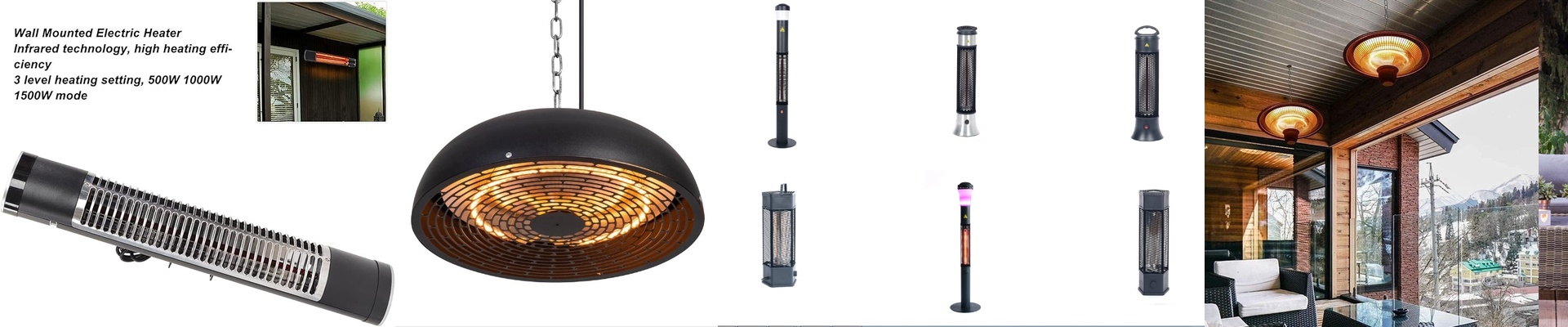


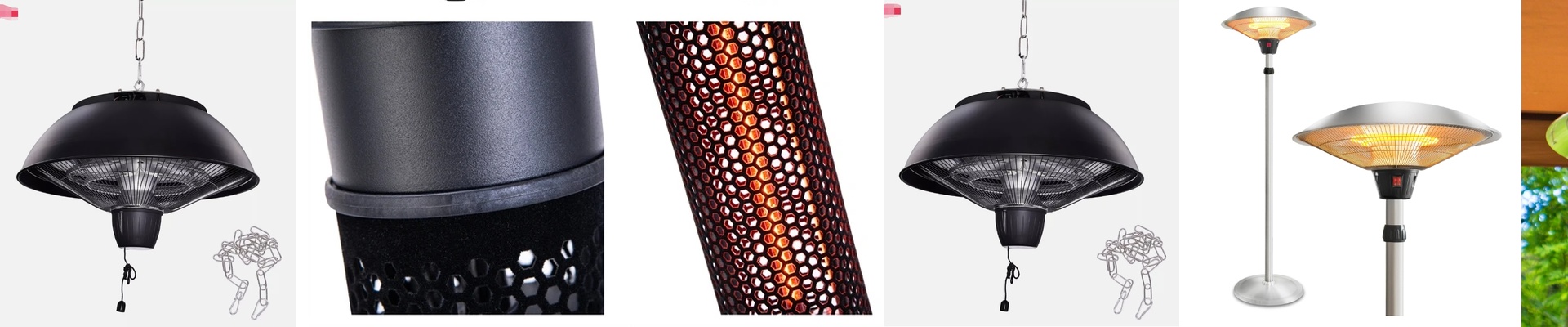
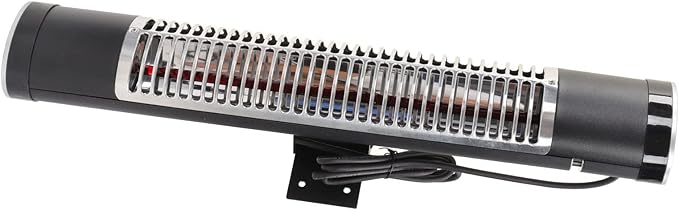
Cold floors and drafty corners don’t just slow you down—they make every task feel heavier. In a workshop, that chill settles into joints and stiffens hands, cutting focus and stretching out the time you spend at the bench. An infrared workshop heater changes the feel of the space by delivering radiant warmth that warms people and objects first, not the air.
What matters technically
Infrared workshop heaters use a radiant element—often a quartz tube or a carbon fiber panel—to emit long-wave infrared energy. That energy travels outward and is absorbed by skin, clothing, tools, and work surfaces, so you feel heat within seconds instead of waiting on air to move. The surrounding area stays more stable because the heater isn’t fighting constant air exchange. Most models give you straightforward thermostat control and are built for hard-working environments, with durable housings and safety features like tip-over protection.
Why it works here
Workshops are all about starts and stops: doors opening, ventilation kicking on, you moving from the bench to storage and back. Infrared warmth stays consistent even when air is moving, so your hands stay nimble and your body doesn’t tense up. The deep, penetrating heat can help circulation, relax muscles, and cut down on the fatigue that creeps in when you’re working cold. For you, that translates to fewer breaks to warm up, steadier precision, and a more comfortable day—without the noise and drafts of forced-air systems.
Things to know
Infrared heaters work best when they have a clear, direct line of sight to your work area, because radiant energy travels in straight lines. They perform well in spaces with high ceilings, but you still have to match the heater’s power to the room size to keep comfort steady. Clearances matter, too—keep the unit away from combustible materials and follow the listed distances for safe operation. If you need even coverage across a large footprint, plan for multiple units instead of trying to make one heater cover every corner.