

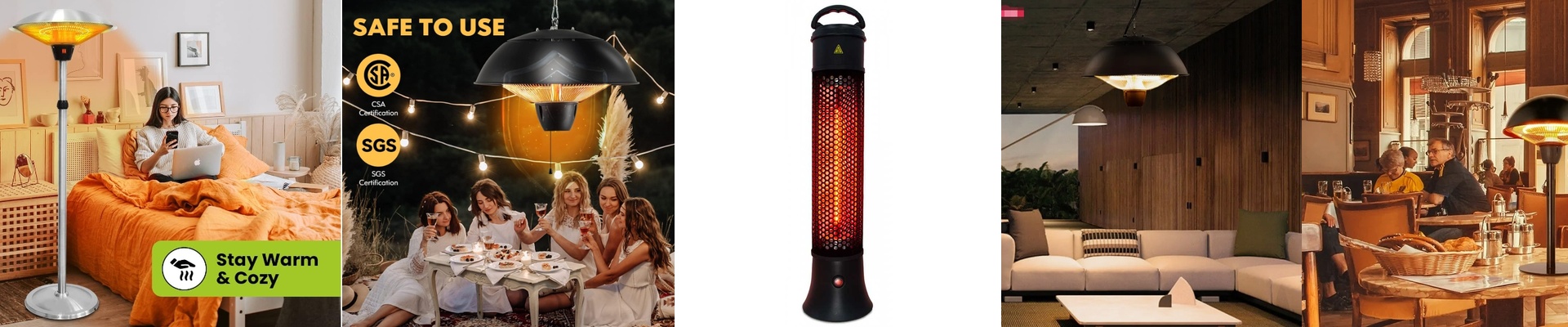
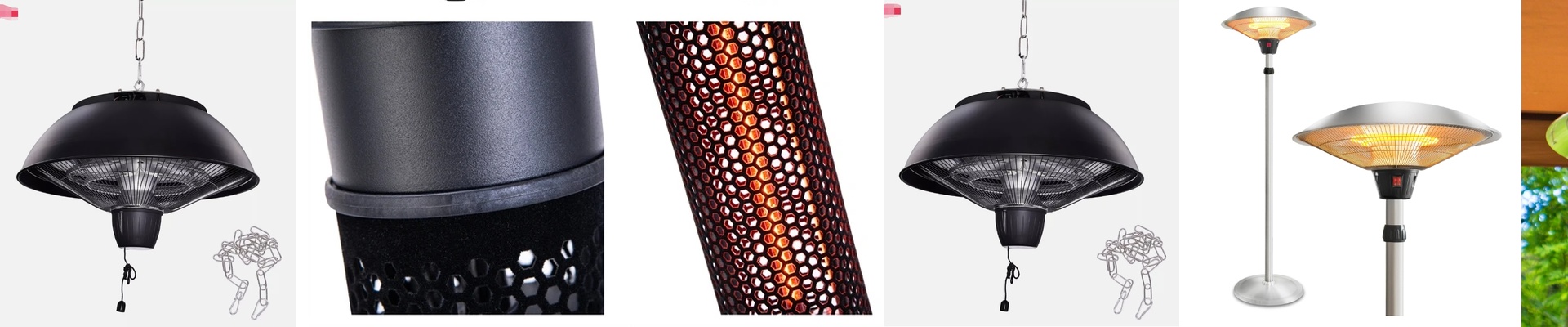
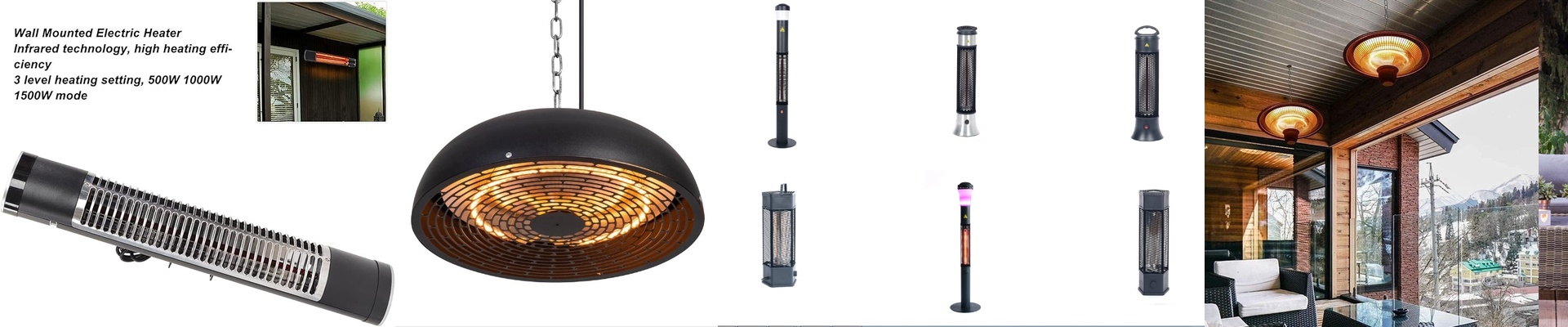
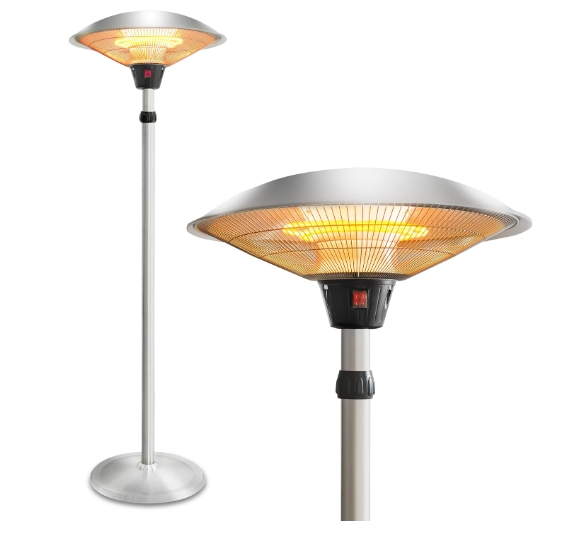
A window seat with coffee. A station platform waiting for the next train. In these places, comfort isn’t a perk—it’s the baseline service. When the air turns cold, people don’t stick around. Complaints climb. Staff morale dips. Forced-air blowers just make it worse. They kick up dust, rattle the room, and drown out conversation. We built our infrared heaters to cut through that mess. Quiet radiant warmth that turns chilly commercial and transit spots into places people actually want to be.
What matters, under the hood
Infrared warmth doesn’t chase the air around. It emits light that travels straight to people and surfaces, warming them on contact. No fan. No noise. Our units run on a carbon fiber element and a quartz tube, so the heat is even and consistent. You get low noise—often under 45 dB—so you hear conversations, music, and announcements, not a mechanical drone. A built-in thermostat keeps the temperature steady, and tip-over protection shuts the heater off if it gets knocked out of position. You can spec 120V or 240V, choose wall or ceiling mount, and pick an IP rating that fits covered outdoor areas.
Why this fits the job
Whether it’s a café terrace or a train station concourse, the ask is the same: warmth that comes on fast, stays even, and doesn’t wreck the vibe. Infrared heaters hit full output within seconds. Customers feel the heat right away, and staff don’t have to wait for a system to cycle up. The heat goes where people are, so you’re not wasting energy on empty air. That translates to lower operating cost, more stable comfort, and fewer drafts that carry odors and dust. In transit hubs, the quiet keeps the space calm, and the radiant heat supports comfort without overheating ticket counters or waiting areas.
The practical details
Infrared heaters warm people and objects directly, so comfort comes down to line of sight. Aim the beam to cover seating and queue lines, and mount the unit high enough to avoid glare. For the best results, run it with a thermostat to match heat output to occupancy. In very wet locations, make sure the IP rating is up to the job—plan for exposed spray, not just a light mist. One more point: infrared is immediate and quiet, but it won’t raise the ambient air temperature in drafty, open halls the way forced air does. Plan coverage around foot traffic patterns and wind exposure.