



How to Stop Your Glass From Shattering During Tempering
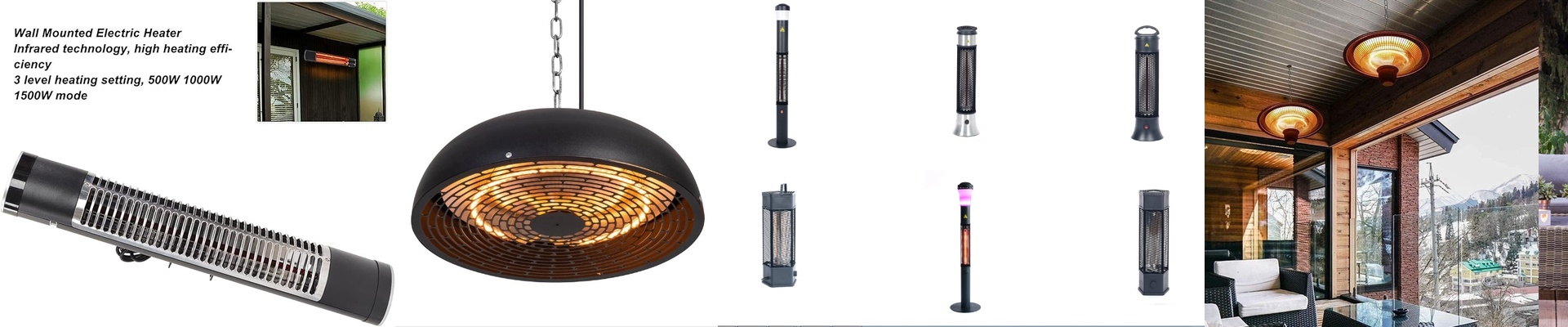
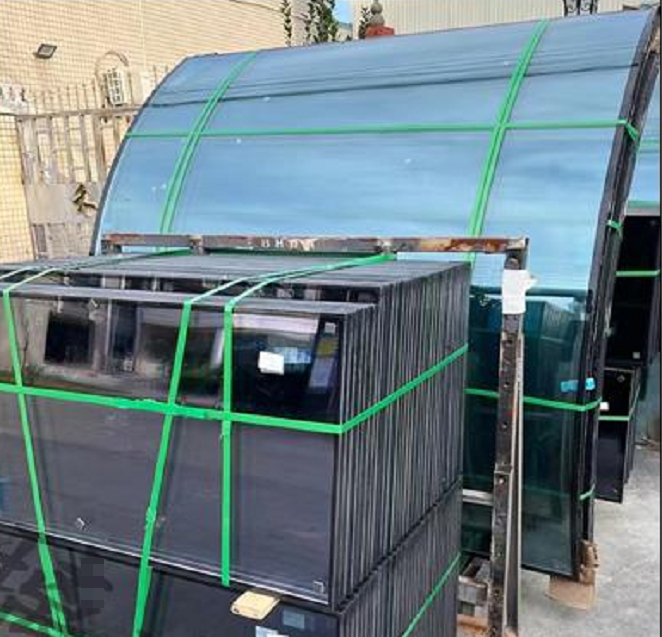
Anyone who’s worked with glass knows the nightmare of a piece cracking right at the finish line. It usually happens because the temperature shift was just too aggressive. You heat it too fast, cool it too quick, or leave a cold spot—and snap. Internal stress takes over, and you’re left with a pile of scrap. To stop that from happening, we use shortwave IR lamps. Think of it as “instant tempering.” The goal is simple: get the heat exactly where it needs to be without shocking the glass into breaking.
Why Speed is Everything
If you’re trying to prevent thermal shock, you can’t use those old, sluggish heating elements. They take too long to warm up and even longer to cool down. That’s why we go with shortwave IR lamps. They have almost no thermal mass. When you flip the switch, they’re hot. When you kill the power, they stop almost instantly. Pair these with a high-speed SCR or a PWM controller, and you’ve got real-time control. If your sensors pick up a temperature spike that looks dangerous, the system cuts the power in milliseconds. It’s the difference between a perfect piece and a shattered one.
The Gear and the Gotchas
We usually lean toward high-wattage quartz halogen tubes. The quartz lets the shortwave radiation fly right through without getting trapped, so the heat hits the glass surface directly. But here’s a tip:watch your voltage drops. If you run a massive array of lamps over a long distance, the heat becomes inconsistent across the conveyor. You’ll end up with “hot zones” and “cold zones.” To avoid this, keep your power supplies as close to the heating zone as possible. It ensures every single lamp is pulling its weight.
Getting it Running on the Floor
The good news is that these lamps usually drop right into the spots where your old resistive heaters used to be. You just wire them into the control loop, dial in your ramp-up and ramp-down curves, and keep an eye on the surface temp. One warning, though. High-density IR puts out astaggeringamount of heat. If your cooling fans or exhaust hoods aren’t up to the task, you aren’t just heating the glass—you’re cooking your wiring and sensors. Make sure your ventilation can actually handle the load before you crank it up.