

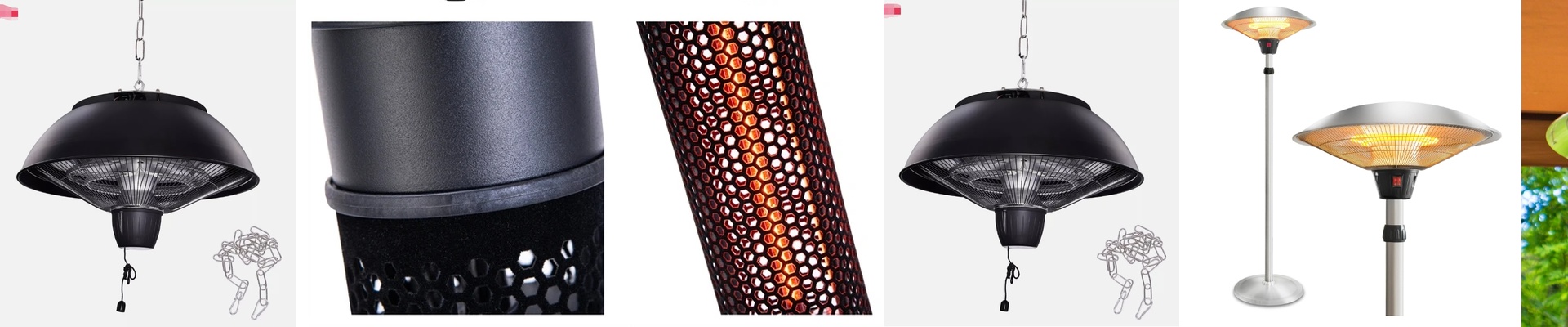
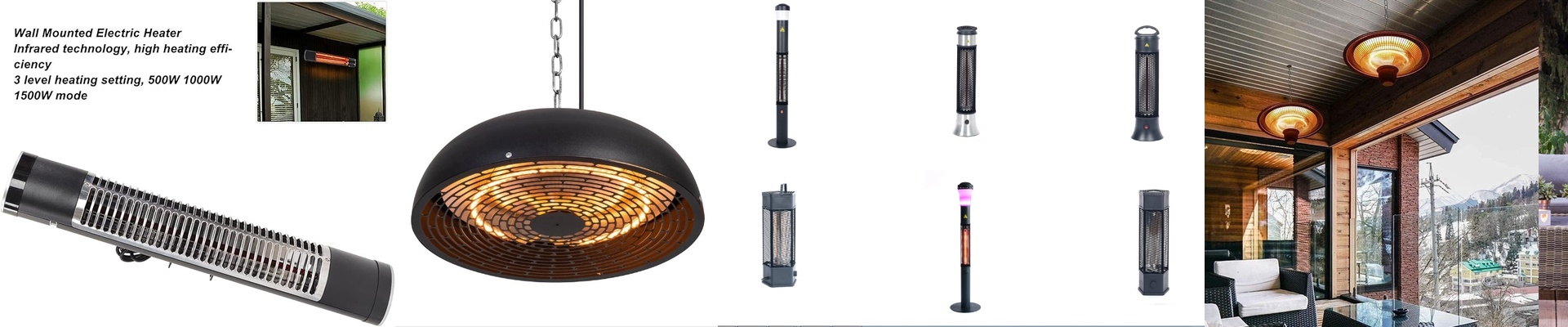
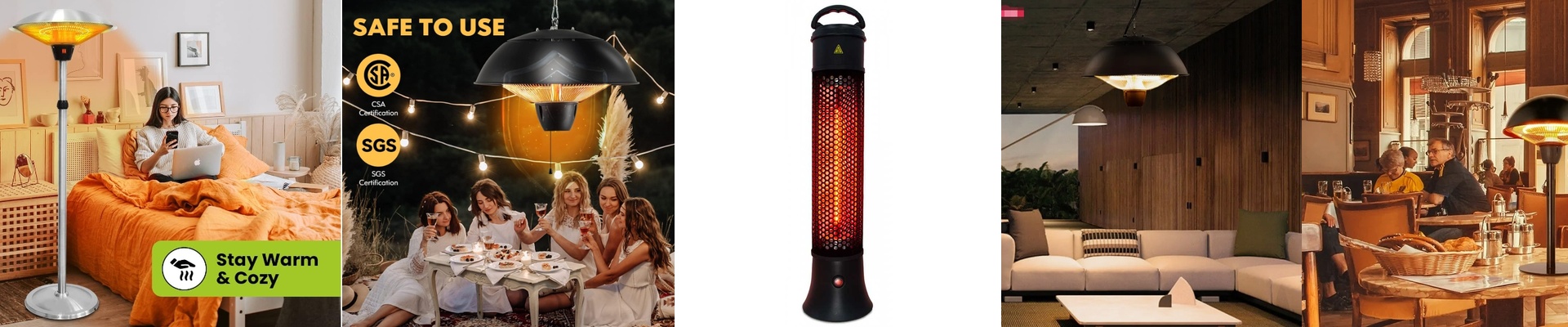
Cold evenings have a way of turning a relaxing evening into a chore. The air bites, muscles tighten, joints stiffen, and you just want heat that gets deep—without drying the air or wasting energy. That’s where a gold tube infrared heater earns its keep, putting out radiant warmth that feels like standing in sunlight. What’s actually going on, technically A gold tube infrared heater uses a quartz tube with a reflective gold coating to focus infrared energy forward. The element produces short-wave infrared that travels outward at the speed of light, warming people and objects directly—not the air. In practice, you feel heat within seconds, not minutes. Many models are built for outdoor heating or covered patio use, with weather-resistant housing and an IP rating for protection against splashes. Inside, a halogen element delivers steady output, and a thermostat keeps comfort consistent. Safety matters here: tip-over protection shuts the unit off if it’s knocked, and the outer tube stays cool enough to touch, so you can place it where you actually live. Why it clicks in real-world use It’s more than just instant warmth. Infrared penetrates superficial layers and warms the body where you feel it most, helping relax tight muscles and soothe aching joints—making it easier to unwind after a long day. That gentle heat can also encourage better circulation, which supports recovery and helps you feel more limber. Outdoors—on a screened porch, deck, or covered patio—that makes a difference. You get comfort that feels natural, without the roar of a fan heater or the glare of an open flame. The payoff is fewer chilled interruptions, longer evenings, and a space that feels restorative. Here are the practical things to keep in mind Infrared works best with a clear line of sight, because objects block radiant warmth. For even coverage, position the heater to avoid shadows from furniture or rails. And because the tube runs hot, keep combustible materials at a safe clearance and use a grounded outlet. If you plan to run it in damp locations, confirm the IP rating matches the exposure—outdoor heating needs real weather protection, not marketing claims.