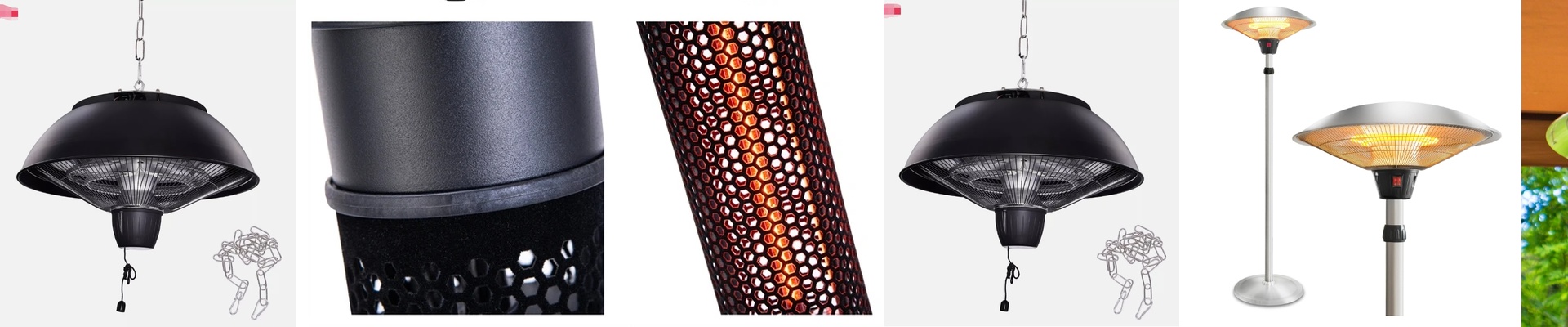
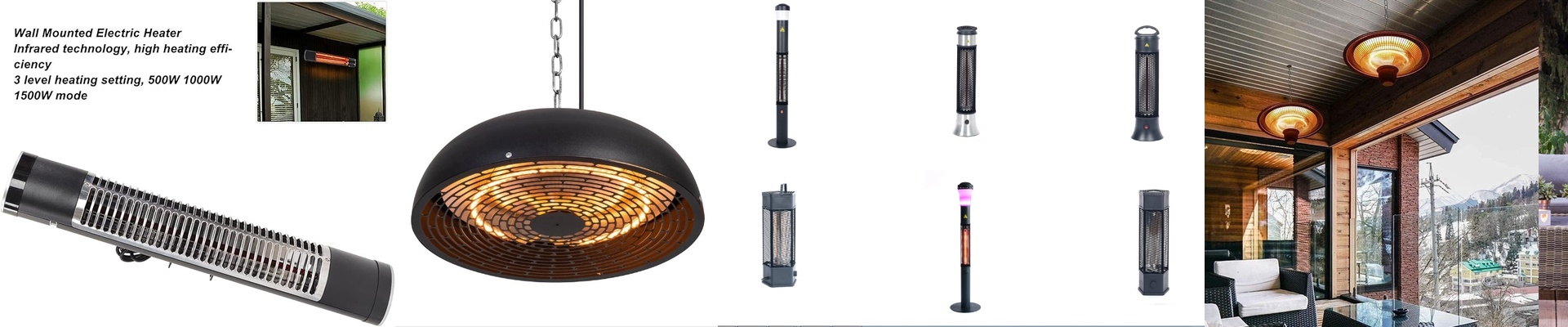



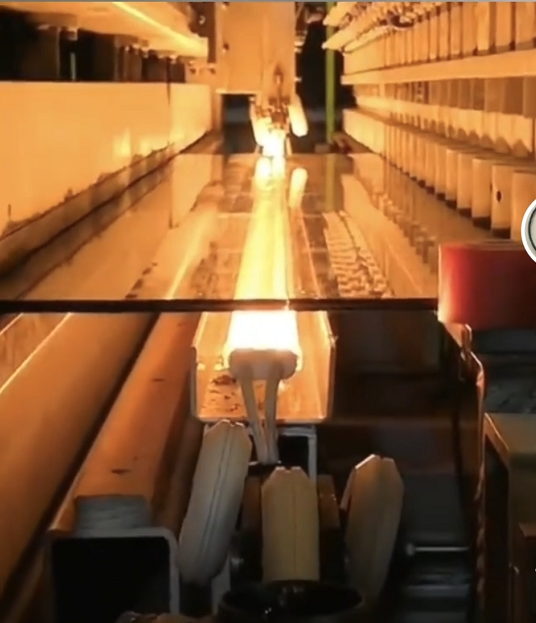
On the line, glass doesn’t wait for anyone. A cold start, a hot spot, or a slow ramp-up is all it takes—suddenly you’re dealing with stress fractures in tempered glass, bend profiles drifting off tolerance, or lamination voids that only show up at final inspection. We built a modular infrared heating array to stop those losses where they start. What actually matters under the hood It’s short-wave infrared emitters, arranged in a modular layout. You match the heat profile to the glass geometry, instead of trying to force the glass to fit the heater. The response is fast—full power in seconds—because the energy goes straight into the glass and the coating, not into heating the air. That gives you a uniform thermal field with tight control over peak temperature and soak time—exactly what you need for repeatable tempering, bending, and lamination cycles. Each module is built for industrial duty, with output that stays predictable over thousands of hours, and you can reconfigure the layout for different glass sizes and thicknesses. Why it holds up in real glass processing Yield is won or lost in the heat-up. With this array, you cut warm-up time and reduce the drift that shows up as optical distortion and edge defects. The radiation is directed, so convection losses stay low and the work surface stays stable. That translates to curvature you can count on in bending, and adhesion you can trust in EVA/SGP/PVB lamination. Energy use drops because heat is delivered on demand, not run continuously. And when a module needs attention, you swap it out without tearing into an entire oven section. What to watch for on install and daily run Installation is straightforward, but alignment and the emissivity of the glass path matter. Keep reflectors clean and positioned right to maintain uniformity, and match the array to your line speed and the thermal mass of the product mix you’re running. Plan power and cooling up front, and confirm clearances so you don’t bake the edges. Set it up once, then tune with data—not guesswork.