


Why Your Bathroom Heater Keeps Dying (And How to Fix It)
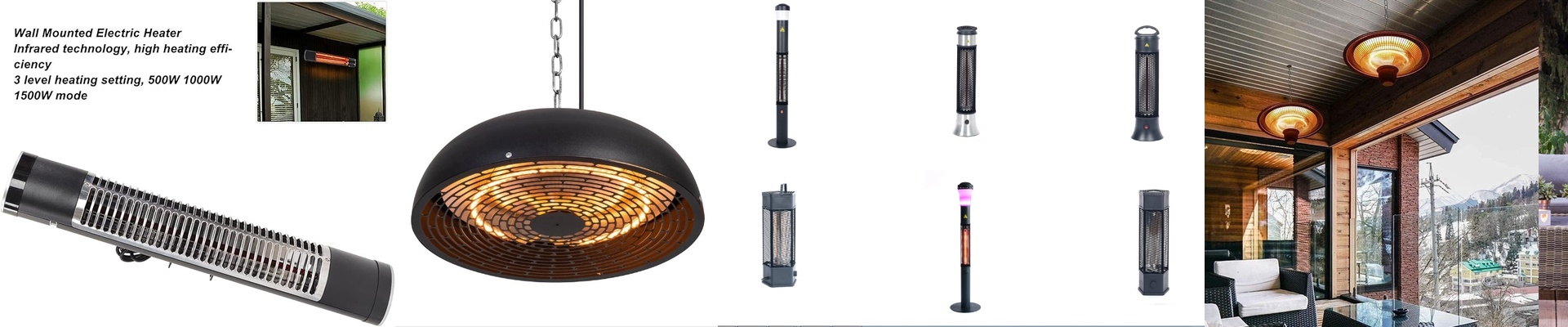
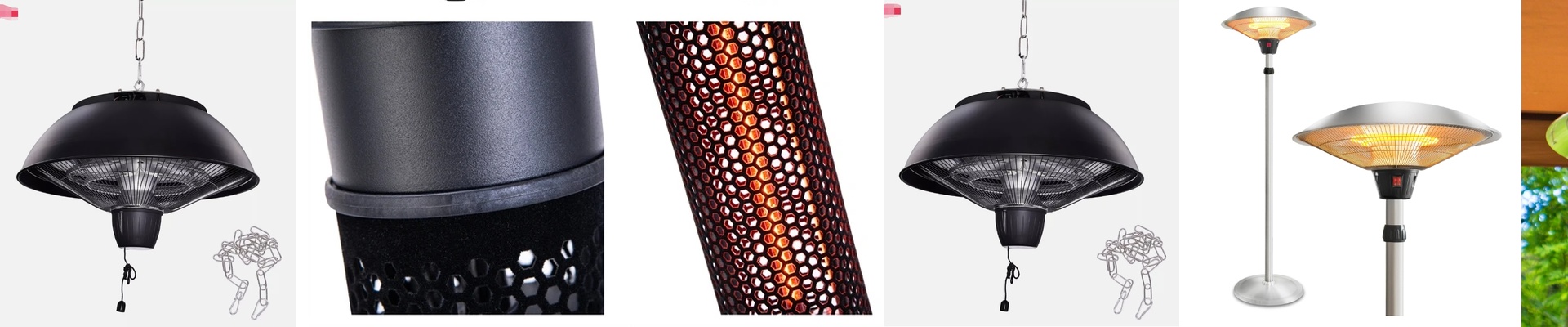
Let’s be honest: there is nothing worse than stepping out of a hot shower into a bathroom that feels like a walk-in freezer. Most of us have tried those old-school heat lamps, but they usually end up burning out or flickering because bathrooms are, well, wet. The secret to actually staying warm is moving toward ceiling-mounted infrared heaters with a high waterproof rating. It’s a simple shift, but it makes a world of difference. The struggle with steam Here’s the thing about humidity. It gets into everything. A basic heater isn’t built for a steam room, so the moisture creeps in, hits the electrical terminals, and—pop—your heater is dead. That’s why those IP ratings actually matter. High-rated units use sealed gaskets and special coatings to keep the guts of the machine bone-dry. It’s basically a raincoat for your heater. If the seal holds, the unit lasts. If it doesn’t, you’re back to shivering. Stop heating the air Most heaters try to warm up the air in the room. But in a bathroom with cold tiles and a vent pulling air out, that’s just throwing energy away. Infrared is different. It doesn’t care about the air. It sends heat in a straight line, hitting you directly. The second you step under it, you feel that instant, cozy warmth on your skin. It’s immediate. A few things to watch for during install If you’re swapping these in, don’t just plug them into a random outlet. These things pack a punch, so you’ll want a dedicated circuit to keep things safe. Also, keep an eye on your ceiling. Since the heat density is so high, you need materials that won’t scorch. I usually suggest hanging them at least 2.2 meters up. It stops that “too hot” feeling right under the lamp and lets the warmth spread out more naturally. As long as your wiring can handle the load, it’s a pretty straightforward swap that makes your morning routine a lot less miserable.