

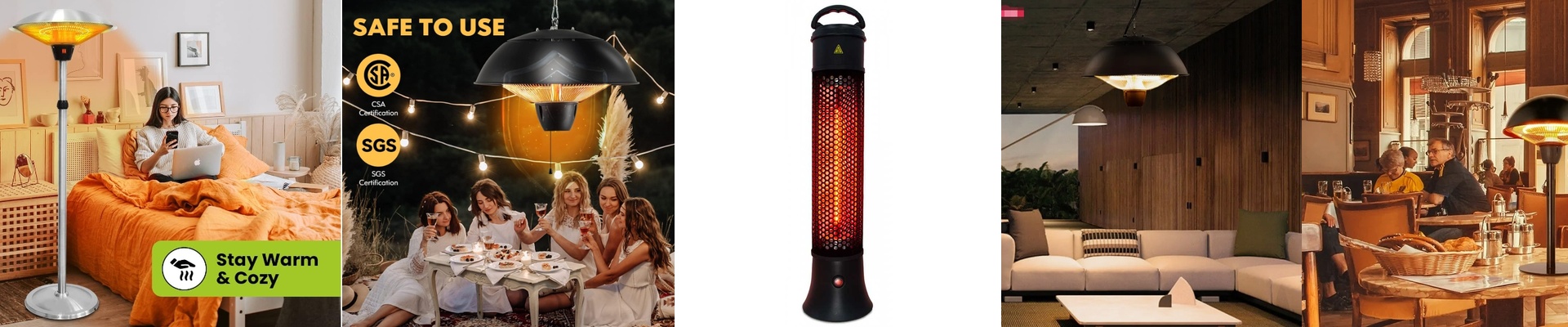
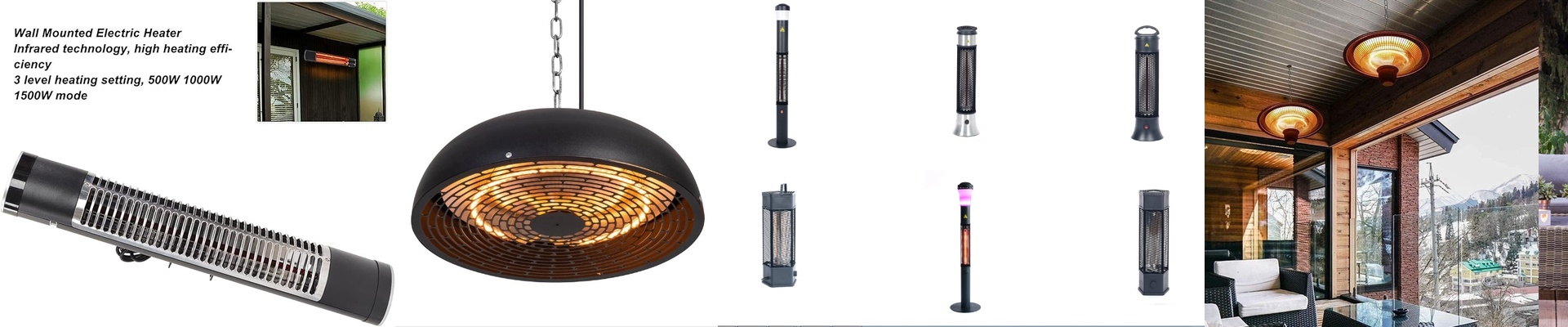
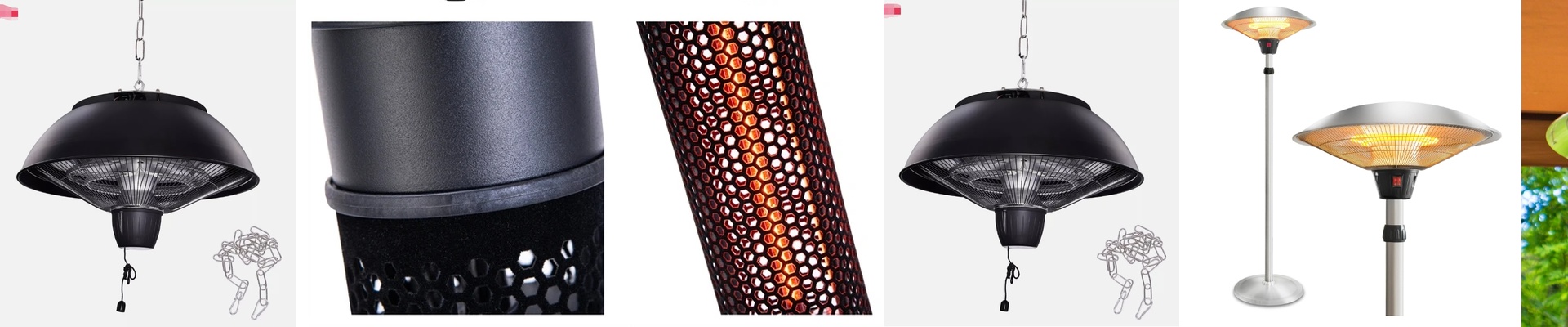
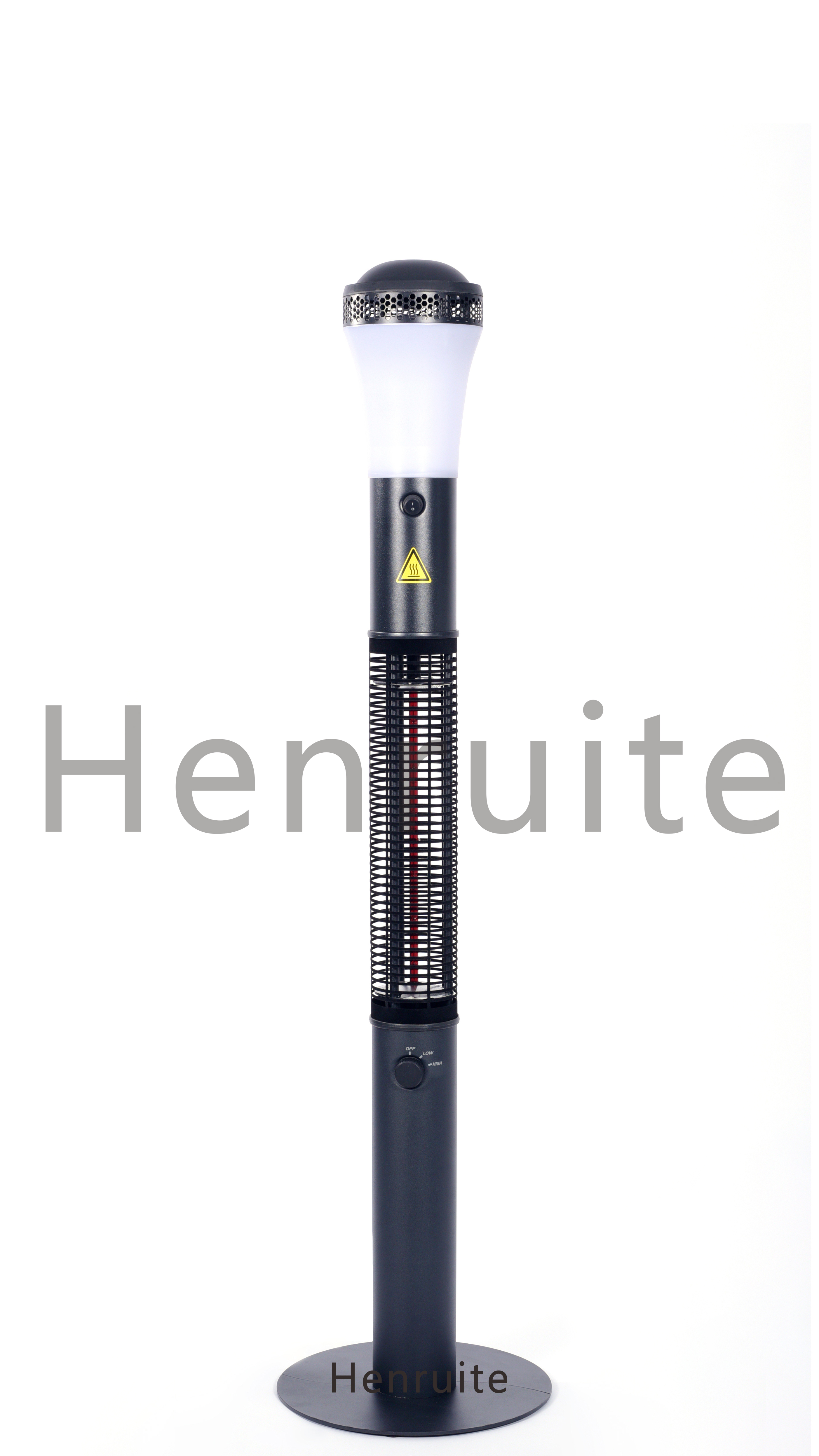
When evening drops the temperature and you just want your living room or covered patio to feel welcoming, the trick is comfort without the clutter. No one wants a bulky heater that fights the space. You want warmth that fits in and does its job quietly. We built this infrared heater for that exact moment—clean lines, controls that make sense, and heat you feel the second it’s on.
What’s actually going on under the hood
This unit runs on a carbon fiber infrared element, so it delivers radiant warmth. It heats people and objects directly, instead of pushing air around. The payoff is steadier comfort with less dust kicked up in the room. A built-in digital thermostat holds the set temperature within tight tolerance, so you don’t get that on-off swing that makes you reach for the dial every few minutes. There’s no fan noise, just quiet operation, and it’s built for 24/7 reliability. On the safety side, you get tip-over protection and overheat protection, and the exterior stays pleasantly cool to the touch.
Why it fits the way you live
Modern, light-luxury interiors lean on proportion and restraint. This infrared heater keeps a minimal profile with understated finishes, so it sits inside that look without fighting it—more intentional design than afterthought. Because radiant heat warms you on contact, the space feels cozy fast. That’s ideal when you step in from the cold or when you want to stretch the evening on the patio. The digital thermostat keeps the room holding steady, so you can settle in without babysitting the heater. Energy use stays focused where it should be: delivering warmth where you need it, when you need it.
Practical setup and placement
For best results, position the heater so the infrared beam hits the main seating area directly. Keep it clear of furniture and curtains. It’s intended for indoor and protected outdoor use, so it performs well under a covered patio. It’s not rated for full exposure to rain. Installation is straightforward—plug it into a grounded outlet on a dedicated circuit. It plays best when matched to your room’s typical temperature setpoint, rather than trying to force the space with extreme settings.