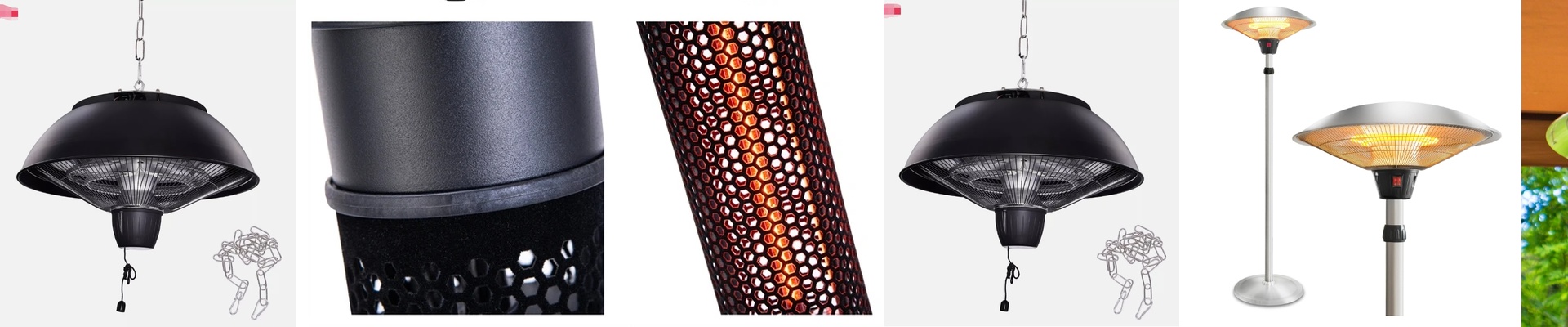

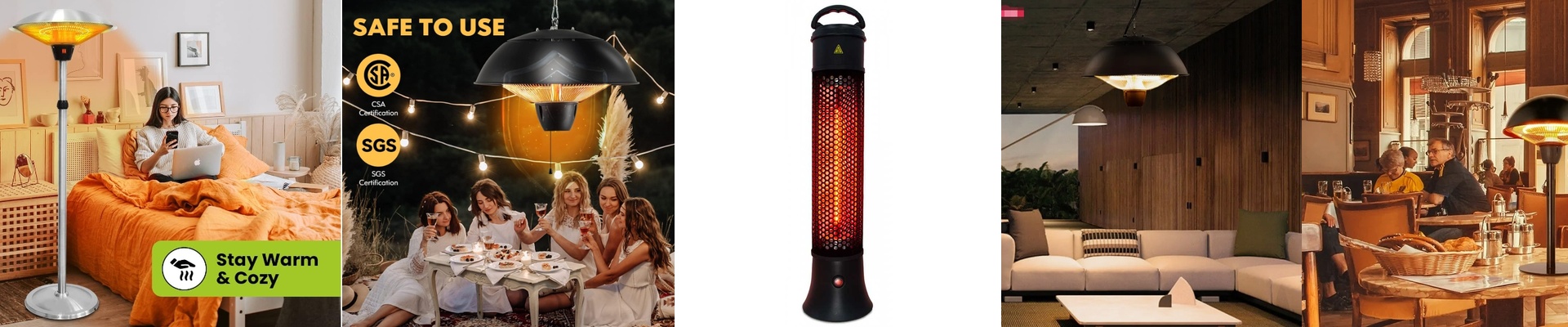
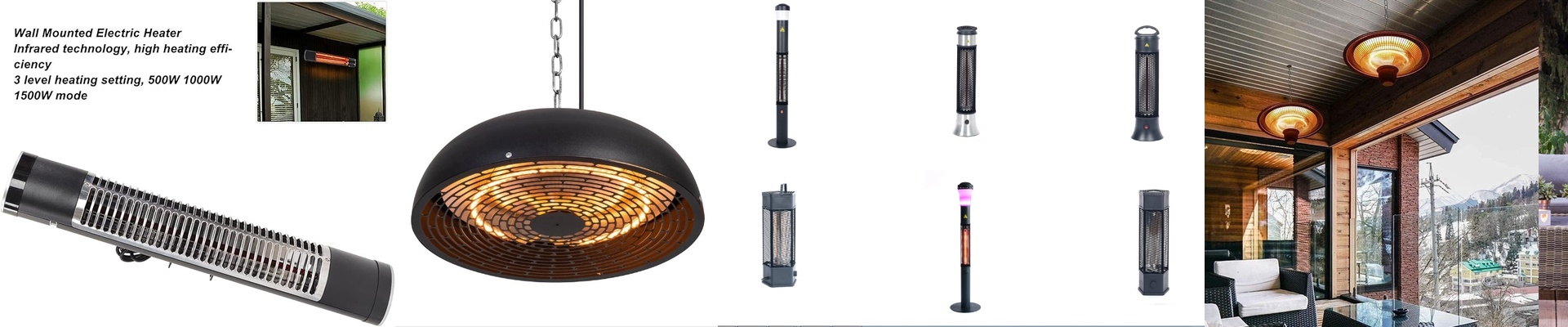

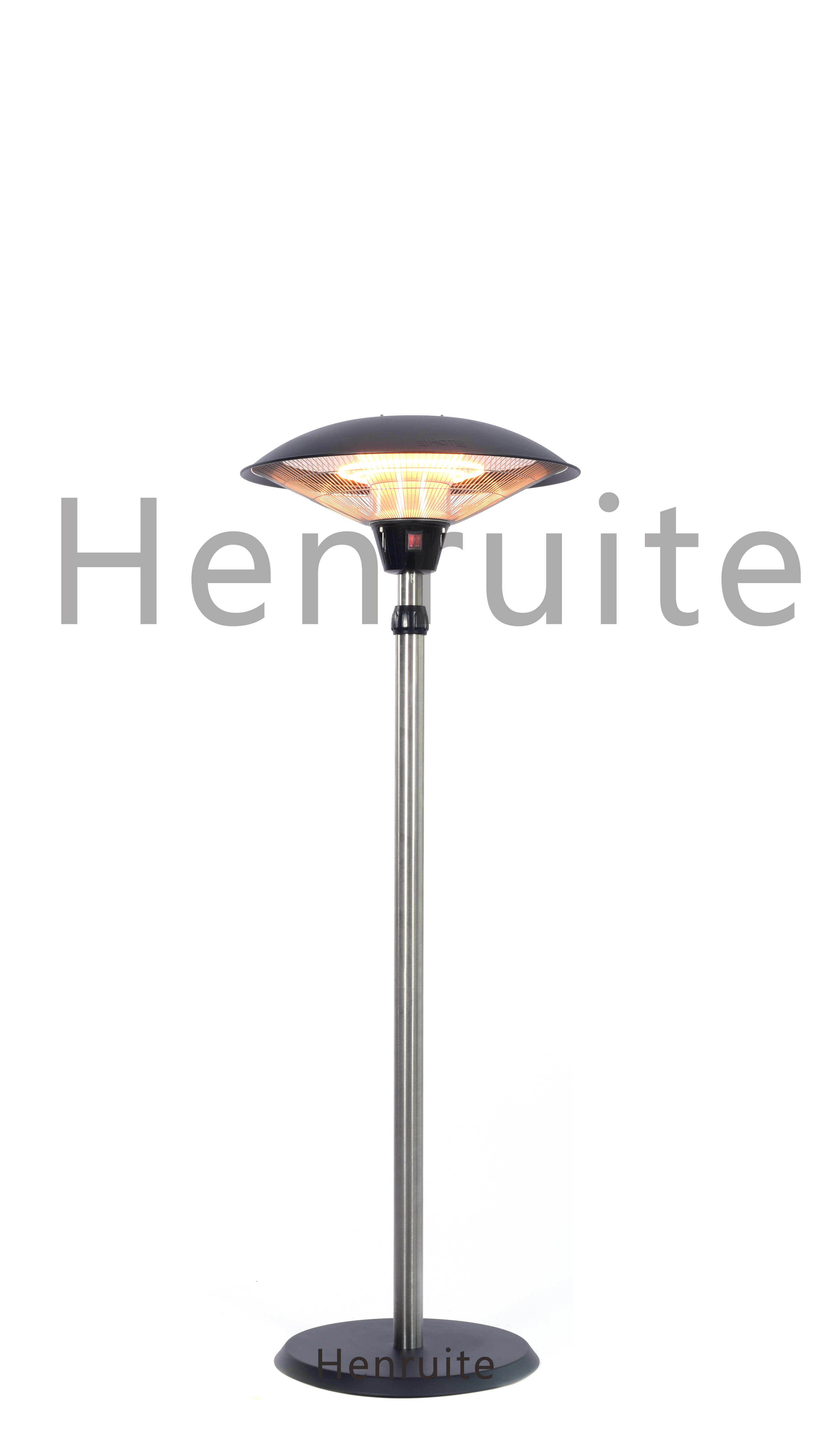
Warming Up High-Ceiling Spaces Without the Wait
Ever tried to warm up a freezing changing room with a standard heater? It’s a nightmare. You end up spending a fortune just to heat the air near the ceiling while the people on the floor are still shivering. We do things differently. Instead of fighting the air, we use shortwave infrared. It basically skips the air entirely and goes straight for the people and the surfaces.
How the heat actually works
Think of it like sunlight. You know how you can feel the sun’s warmth on your skin even on a crisp winter day? That’s exactly what’s happening here. The heat travels in a straight line. The second it hits a solid object—like a person—it’s absorbed. That’s why you feel that instant “ahhh” moment the second you step under the lamp, even if the room around you is still chilly. To make this work from a high ceiling, we use high-wattage quartz elements. They provide enough punch to push that heat all the way down to the floor without losing steam.
The nitty-gritty on hardware
To get that heat to travel 5 to 10 meters, we have to push more power through the tubes. This gives us a tighter, more intense beam. Just a heads-up: these things pull a decent amount of current when they first kick on, so make sure your electrical panel is up for the task. Also, these lamps gethot. Really hot. If you mount them too close to a ceiling that can burn, you’re going to have a bad time. Give them at least 500mm of breathing room, or throw up some heat-reflective shielding to play it safe.
Keeping things running
We didn’t want these to be a headache to maintain. We used standard industrial connectors, so if a tube eventually burns out, you can just pop a new one in. No need to rip out the wiring or call in a specialist for a full afternoon. One thing to watch out for: the quartz glass is tough against heat, but it’s still glass. It can’t take a hit from a ladder or a tool. And please, keep them clean. Dust acts like a blanket, blocking the heat and forcing the tube to work harder than it should. A quick wipe-down keeps the heat flowing and stops the hardware from wearing out early.