

Balancing Pattern Clarity and Glass Strength with Infrared Nip Roller Preheating
We built the infrared nip roller preheat for one very specific reason: to fit right into a glass tempering line that comes right after silk-screen printing. The idea is simple. Preheat the glass before it hits the nip rollers—without smearing the printed pattern—then roll straight into tempering. To make that happen, you need control. Real control. That’s exactly why we lean on shortwave infrared heating lamps.
What’s under the hood: power, voltage, and size
At the heart of the system is a shortwave infrared lamp. Most setups use a 400V, 2500W lamp with a tube around 300mm long. The 400V rating isn’t random—it matches standard industrial power, so you don’t have to fight the electrical system or run thick, heavy cables. The 2500W gives you the heat density you need to preheat fast. The glass hits the right temperature right before it meets the nip rollers. And the 300mm length? It’s chosen to match the nip roller contact width, so the heat lands where it matters and you don’t waste energy.
The materials that make it tough and steady
The lamp pairs a halogen element with a quartz envelope. Quartz handles the shock of switching on and off quickly, and it transmits shortwave infrared cleanly. The halogen cycle keeps the filament stable at high heat, so output stays consistent over thousands of hours. For hookup, the standard is the R7s connector. It’s a two-pin connection that can handle the current, and it drops right into most nip roller heating housings. No fuss.
Why this matters when you print, then temper
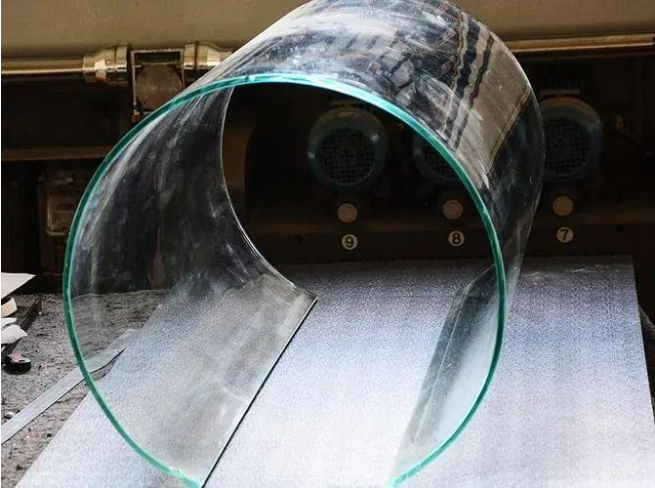
If you’re running an integrated line—screen printing followed by tempering—this preheater is the bridge. It heats fast enough to keep the printed pattern sharp, while getting the glass ready for a uniform temper. That means you can run a single-pass line without a separate oven. Less floor space. Less wasted energy. But here’s the part you have to plan for: that 2500W shortwave lamp packs serious heat. So you need proper cooling. Make sure you’ve got enough airflow or water cooling to keep the lamp and the surrounding parts in their safe temperature range. We designed this preheat to be practical, not precious. It’s built for the grind of continuous production, and it wires into existing lines without drama. If your goal is to keep the pattern crisp and still hit the tempering curve, this is the thermal tool that gets the job done.