


Why Your Glass Is Breaking (And Why It’s Probably Your Lamps)
Ever have one of those days in the shop where the first few trays come out of the annealer looking perfect, but by the time you hit the end of the batch, things start getting weird? Maybe you’re seeing internal stress or the geometry is just… off. Most people start messing with the PID tuning. But here’s the thing: it’s usually not the controller. It’s the lamps. If you’ve got a bank of infrared lamps and there’s even a tiny 5% difference in output between them, you’re creating cold spots. In the world of glass, a couple of degrees is the difference between a piece that lasts a lifetime and one that shatters in your hand.
Getting the Heat Right
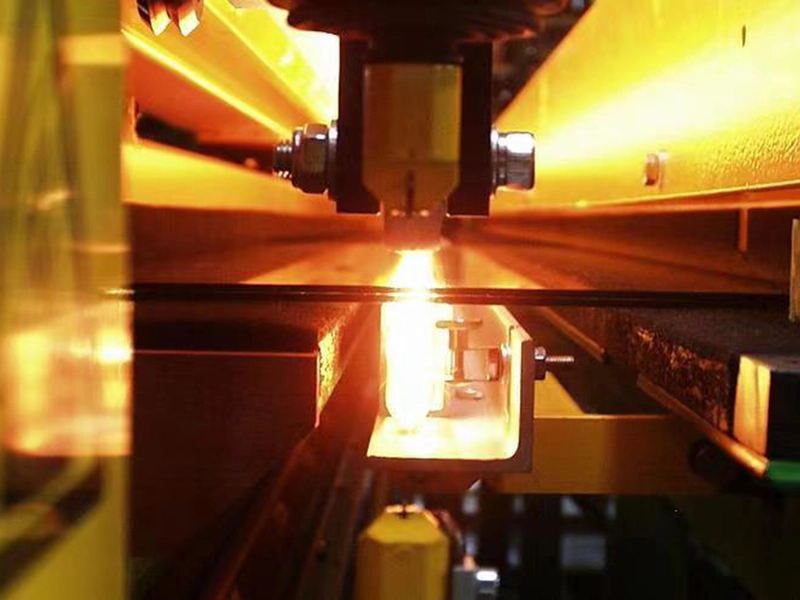
We spend a lot of time obsessing over wattage and spectral output for a reason. Imagine one lamp pushing 1050W while the one right next to it is only doing 950W. Your glass surface temperature is going to jump around across the workpiece. That’s why “high consistency” actually matters. You want every single tube in that array hitting the same narrow window of power. We get really picky about things like quartz purity and exactly where the filament sits. If a filament is shifted even a bit, the heat pattern changes. We keep those tolerances tight so the heat hits every square inch of your glass exactly the same way.
The Stuff Nobody Tells You
High-output IR lamps pack a massive amount of energy into a tiny space. They ramp up fast—which is great—but it puts a lot of pressure on your power supply. If you’re swapping these into an old machine, do yourself a favor and check your wiring first. High-wattage tubes can burn out in a heartbeat if your voltage spikes. And please, keep your reflectors clean. Dust isn’t just an efficiency killer; it creates these little hotspots on the quartz envelope. That’s a fast track to a blown tube.
Life on the Shop Floor
When you use matched sets of lamps, the “guessing game” disappears. You don’t have to spend your morning tweaking the timer for every new batch. You just wire them up, set your soak temperature, and the thermal profile stays flat. It’s a relief. Less time worrying about the settings, and way less scrap hitting the bin.