


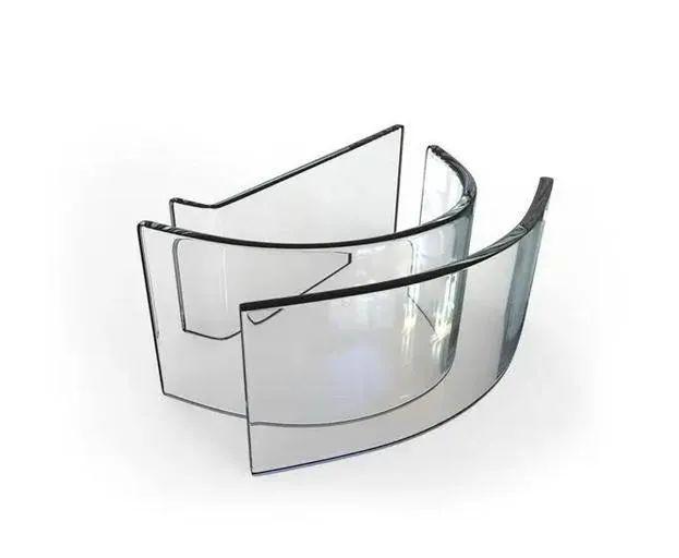
Cutting through ultra-thick glass is brutal on your equipment. If you’re trying to score cold, thick plates, your cutting wheels are basically taking a beating every single second. They chip way too fast, and you end up spending half your shift swapping them out. It’s a pain. We found a better way. Instead of forcing the wheel to do all the heavy lifting, we use high-penetration infrared (IR) lamps and precision reflectors to soften the glass right before the wheel even touches it. Here’s the thing about heat: standard lamps usually just bounce off the surface. They heat the “skin” of the glass, but that doesn’t help you when you’re dealing with serious thickness. That’s why we use shortwave IR. These wavelengths actually sink deep into the glass. It relaxes the internal tension of the material, making it a bit more forgiving. When the wheel hits that softened path, it just glides. No more fighting the glass. But a lamp by itself isn’t going to cut it. You need a way to aim that heat. We use parabolic reflectors to squeeze all that IR energy into a tight, intense beam. It puts the heat exactly where the score happens. Without them, you’re basically just wasting electricity heating up your machine frame. With them, you get a precise thermal footprint and the system warms up fast. Now, you can’t just crank the power to the max. If you go overboard with the wattage, you’ll hit a wall called thermal shock. You’ll actually crack the glass before the wheel even gets there. It’s a balancing act. You have to tune the wattage to match your conveyor speed. Plus, you’ve got to make sure your cooling system can handle the load, otherwise, your lamp housing will fry during a 24/7 run. When you get the settings dialed in, the difference is obvious. Your wheels last longer. You stop messing around with consumables and just keep the line moving.