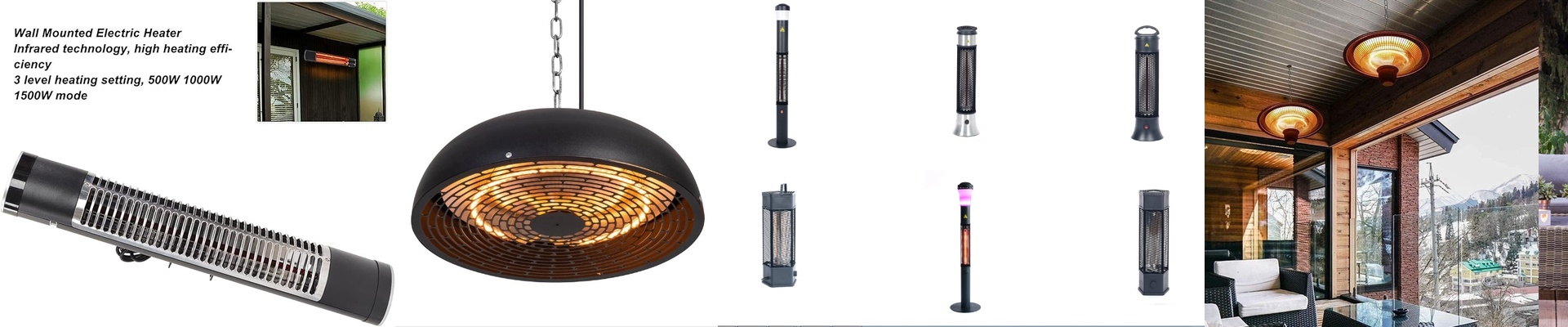
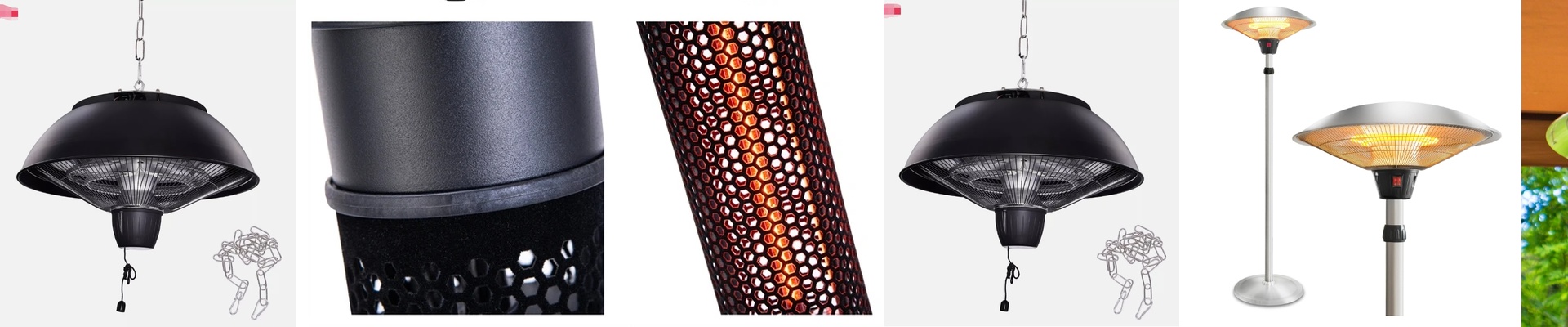



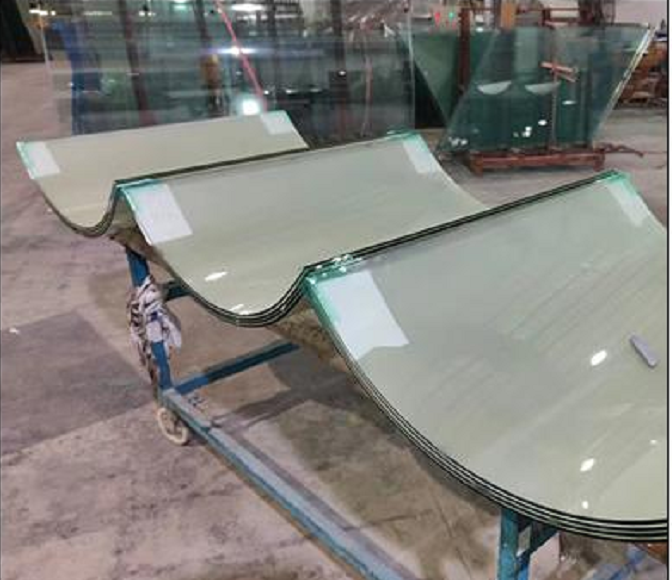
On the bending line, you light the oven and the glass still fights the shape. Hot spots drive local strain. Cold bands drag the cycle out. The furnace runs longer than it should just to hit the target. That drag bleeds throughput and pushes energy costs up. We built a reflector for glass bending lamps to put the heat where it belongs—right on the glass—and make the furnace work with the process, not against it. What matters, technically Our reflector modules pair a high-emissivity quartz reflector with a short-wave or medium-wave lamp, tuned to match the absorption of coated and uncoated glass. The geometry is laid out to deliver uniform radiant flux across the sheet, cutting down the thermal gradients that give you stress fractures. Output stays stable through repeated thermal shocks. The mounting footprint matches common bending lamp arrays, so changeover is quick. We design for consistent power density, controlled rise time, and predictable cooling—so the thermal profile repeats, shift after shift. Why it works on the floor In practice, you see the gains in three places. Energy use drops because the lamp hits setpoint faster and holds it with shorter duty cycles, shaving kWh per bend. Yield climbs because the radiant field evens out, reducing rejects from warp, roll-in, and edge stress that tend to show up later in tempering and inspection. Maintenance costs fall because the reflector keeps the lamp aligned and the heat focused. That means less hot-spot wear on the furnace liner and fewer lamp changes. The upshot: more good parts per hour, less scrap, and fewer unplanned stops. The things to watch Installation is straightforward, but alignment is tight. The lamp, reflector, and target distance all have to stay inside the specified window to keep the profile even. Keep the reflector surface clean—dust and oxides will rob you of output. A quick wipe-down during routine checks keeps performance where it should be. Before ordering, verify your furnace voltage and connector type. Matching the electrical interface keeps you from buying downtime on the line.