


Fixing Those Pesky Cold Spots in Glass Annealing
If you’ve ever worked with thick glass or weirdly shaped vessels, you know the nightmare of “dead zones.” You put your piece in the kiln, everything looks fine, but those narrow necks or deep curves just won’t heat up. Standard hot air just doesn’t cut it—it can’t reach the spots that actually need it. That’s where infrared (IR) lamps come in. Instead of relying on air, we use targeted IR heat to make sure every single inch of the glass is covered.
Why IR Actually Works
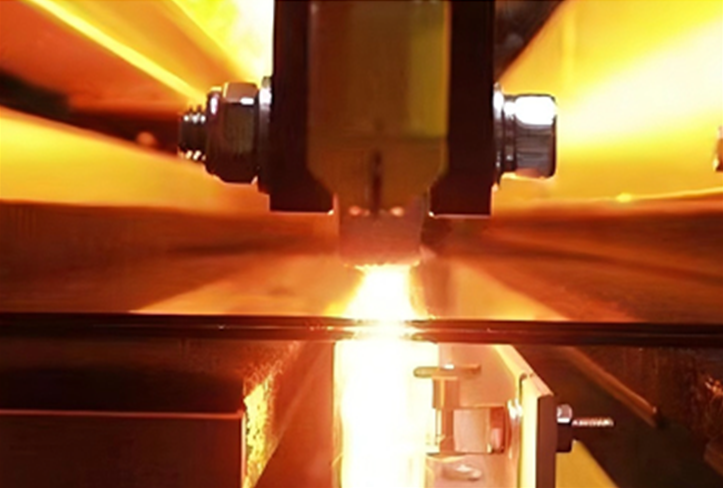
Think of it this way: hot air is lazy. It flows around things. But short-wave IR radiation moves in a straight line and punches right into the glass. For the thick stuff, we use high-wattage quartz halogen lamps. They create a concentrated blast of heat that doesn’t care about the shape of your vessel. By angling these lamps in a cluster, you can hit those “shadow areas” that usually stay stubbornly cold during preheating.
The Setup (And the Catch)
We usually go with high-voltage, high-density tubes. Why? Because it keeps the equipment small. Using 400V lamps lets us cram more power into a shorter tube, so you get more heat per square inch without taking up half the shop. We also use R7s or Sk15 connectors. They’re simple. When a tube eventually burns out—and they will—you just pop a new one in and keep moving. But here’s the thing: all that heat goes somewhere. If you pack too many lamps into a tight space to kill off every last cold spot, the cabinet gets incredibly hot. You’ll need to beef up your cooling fans and insulation, or you’re going to fry your control electronics. It’s a balancing act.
Making it Work on Your Floor
To get this right, you can’t just guess. You have to map out the thermal profile of your specific glass. The trick is to overlap the radiation zones. As the piece rotates or slides through the kiln, it should feel like it’s being hugged by heat from every angle. This keeps the glass above that critical annealing temperature the whole time. It’s the only way to stop those internal stresses from building up. Because nothing is worse than a piece looking perfect on the line, only to spontaneously crack an hour later.