

Stop Fiddling with Tubes: A Better Way to Scale Your Infrared Heat
Buying a single infrared lamp is the easy part. Any one can do that. The real headache starts when you try to actually make that lamp work inside a glass annealing or bending line. I’ve seen too many engineers spend way too much time staring at a raw quartz tube, trying to figure out how to turn it into a functioning heating zone. It’s frustrating. That’s exactly why we stopped just selling parts and started building full turnkey heating modules.
The trick to getting the heat right
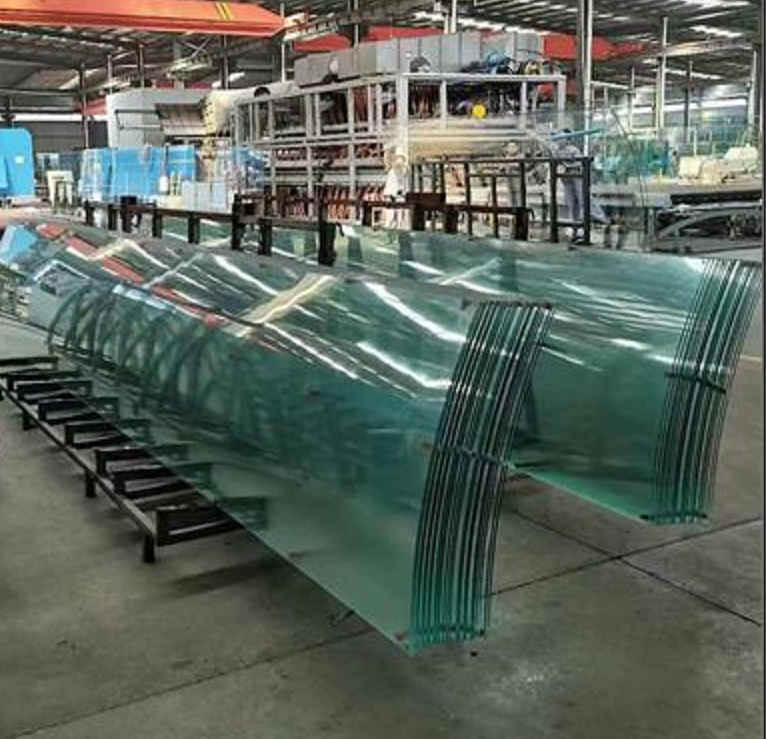
Glass is picky. If your thermal gradients are off, you get internal stress. Now, a standard halogen short-wave lamp has plenty of power, but if you just toss a loose tube into a frame, you’re going to get hot spots. We fix this by building the lamp into a curved module. Because the geometry is locked in, the radiation hits the glass at a consistent angle. No more “striping” on your pieces. Just a smooth, even heat.
Why integrated modules just make sense
When we build a module, we take the annoying stuff off your plate. The wiring, the reflectors, the mounting brackets—it’s all done. You don’t have to stress over whether an R7s or SK15 connector is seated perfectly or if your wiring is going to melt under the pressure. It’s a drop-in replacement. You plug it into your controller, and it just works. Plus, it saves your team a ton of time. You aren’t wasting man-hours manually aligning tubes by hand.
The trade-off (and how to handle it)
Here is the thing: high-wattage density is great, but it’s intense. When you push 2000W+ through a compact quartz envelope, things get hot. Fast. If your module is crammed too tight or your airflow is blocked, you’ll warp the frame or fry your wiring. You have to make sure your cooling system can handle the radiative load of the whole module, not just the piece of glass you’re heating. We spend our time calibrating the footprint of the module so you get the heat you need without sacrificing stability.